

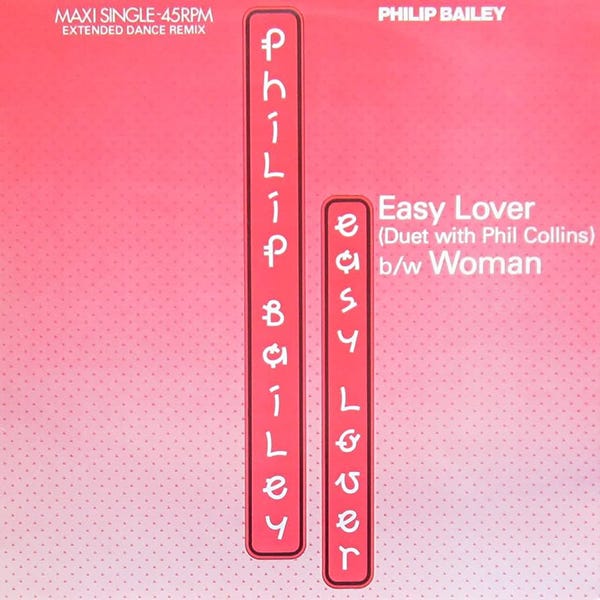
Welcome to the B-side.
This is where things get a little closer to the source.
The parts of the story that don’t always make it into the main piece. The details behind the sound. The personal notes. And the versions that really tell you how a track worked on the dancefloor.
If you missed the A-Side story, you can read it here. 👇
Philip Bailey & Phil Collins’ “Easy Lover”: The Accidental Hit That Crossed Rock, R&B and Dance

I sometimes get asked how I select the song I write about each week.
Every twelve inch had a B-side where the DJs and collectors found the extra tools: beats, dubs and alternate versions.
This is the B-Side of this week’s episode, where we dig deeper into the story behind the record. Read it in one go or enjoy the different sections on different moments. The choice is yours
🥁 Mix 1 — The Beats
The Man Behind the Bass
If you study liner notes, chances are you’ve come across the name Nathan East. With more than 2,000 recordings to his name, he is probably one of the most important session musicians to come out of the Los Angeles scene over the past forty years.
But when he travelled with Philip Bailey to London to work on Chinese Wall, he was hardly an unknown musician waiting for his big break. East had already built quite a career.
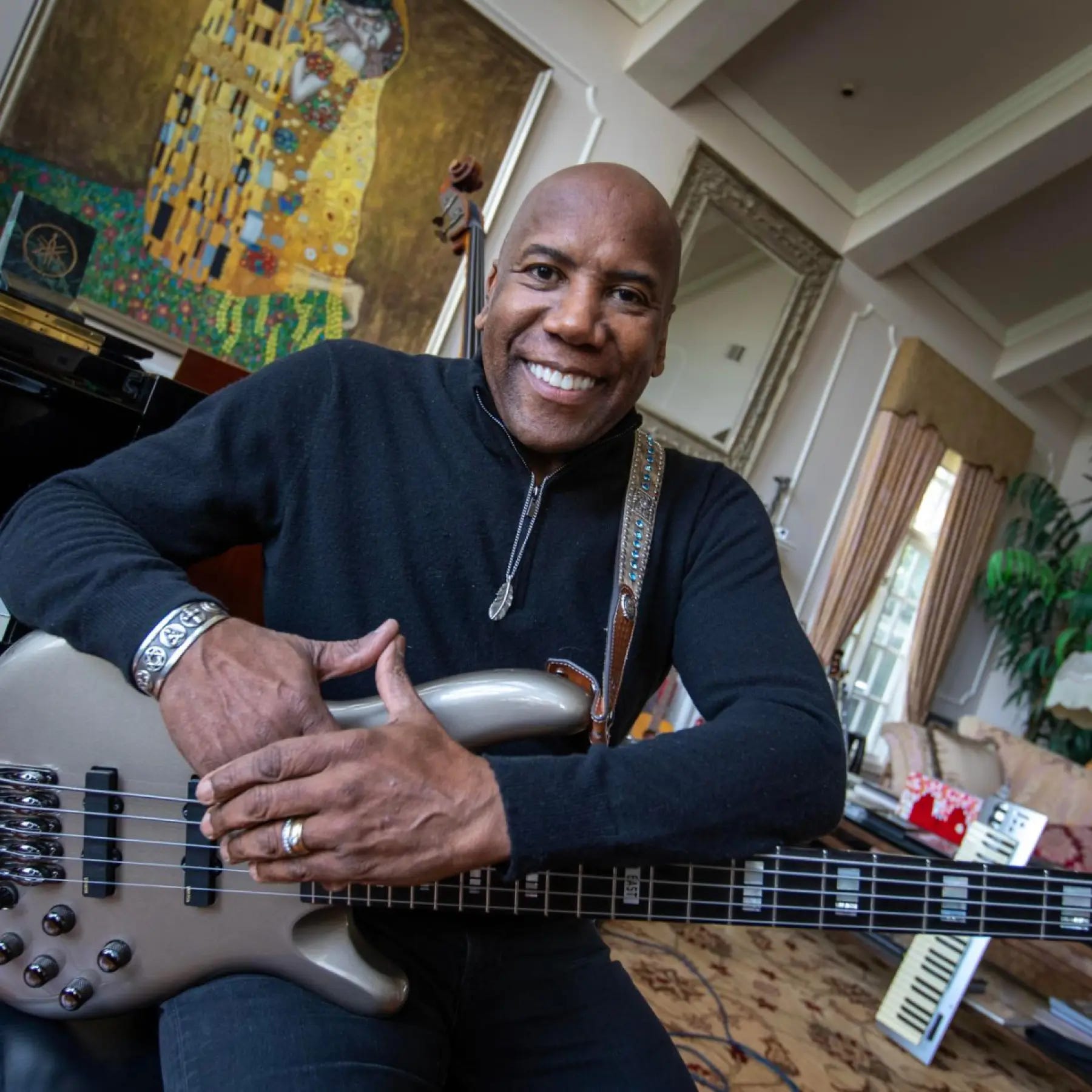
He was born in Philadelphia but grew up in San Diego, where he initially trained on cello before switching to electric bass. The problem, if you wanted to become a session musician, was geography.
Los Angeles was where a lot of the work was.
So East would make the roughly two-hour drive from San Diego to LA to record during the day, then return home to play clubs at night.
His big entry point into the session world came through Barry White.
But the really interesting connection wasn’t White himself.
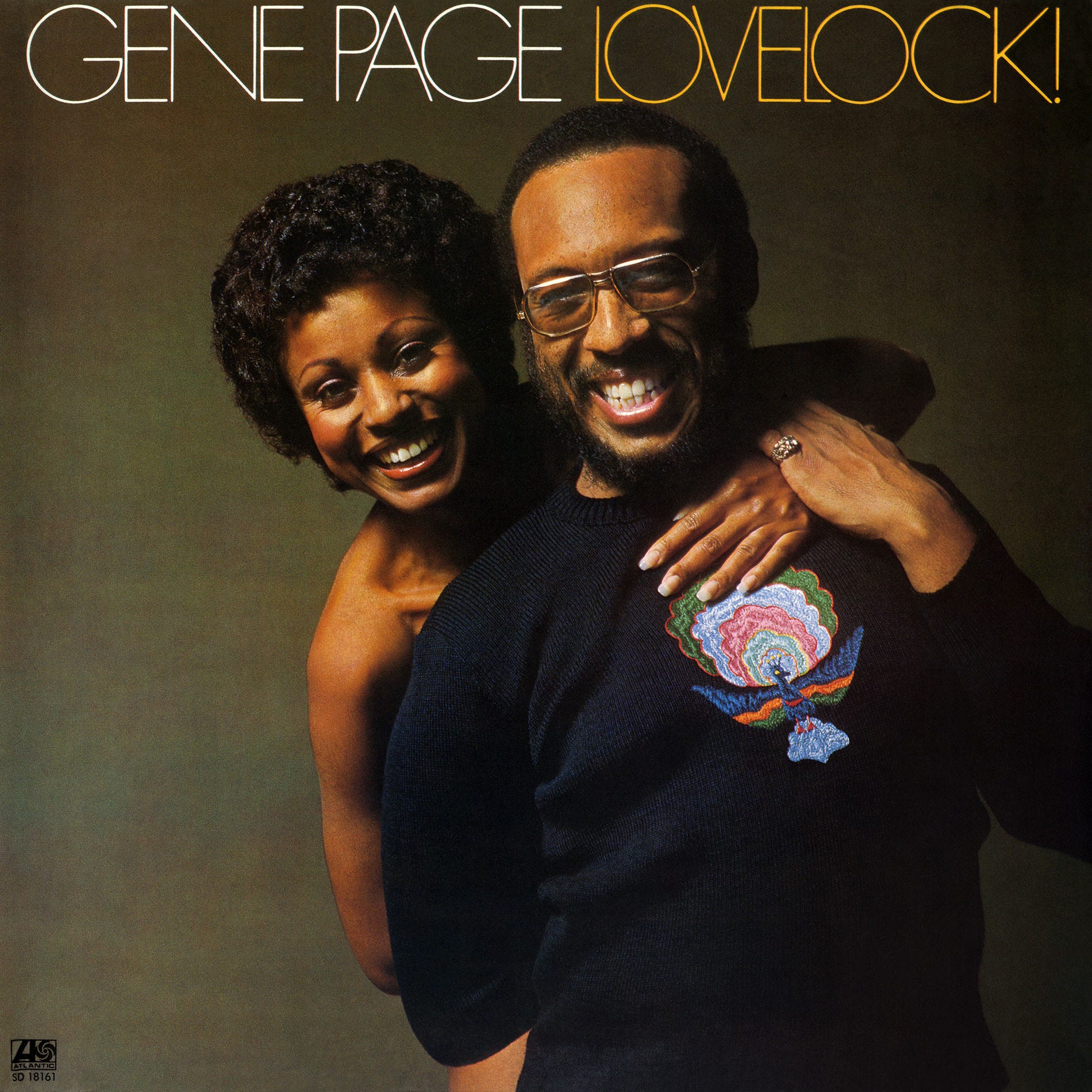
It was his arranger, Gene Page.
You’d Better Know How To Read
Page had brought East into a jingle session around 1980 and discovered something extremely useful.
Nathan East could read music.
Really well.
Page would write out every note of the bass parts and East could sit down, read them and play them accurately. That impressed Page enough to keep calling him. And Gene Page was exactly the sort of person you wanted calling you. He had worked with an enormous list of artists, which meant that once you were inside his network, one session could lead to another.
And another.
And another.
By the time Philip Bailey called East for the Chinese Wall sessions in 1984, he was already working regularly with artists including Phyllis Hyman, George Benson, Kenny Loggins, Dionne Warwick and Johnny Mathis.
What fascinated me while researching this was how important sight-reading was.
We tend to think of a great bass player in terms of chops. Groove. Feel. Sound.
But if you’re a session musician and somebody puts a page of music in front of you, starts the clock and expects you to get it right immediately, being brilliant isn’t enough.
East himself is very explicit about that:
Twenty-nine spots in under an hour. 🫣
