

I sometimes get asked how I select the song I write about each week.
And although it might look as if I’m working my way through twenty years of dance music history like a drunken sailor, swaying from side to side 😁, there is actually a plan behind the madness.
Sort of.
The writing is only one part of The Twelve Inch. There’s also the weekly soundtrack, the mixtape I publish on Mixcloud and, copyright gods permitting, YouTube. To avoid making the same mix two weeks in a row, I like jumping between eras.
So after Dolly Parton and 1979 last week, I wanted to venture into the eighties.
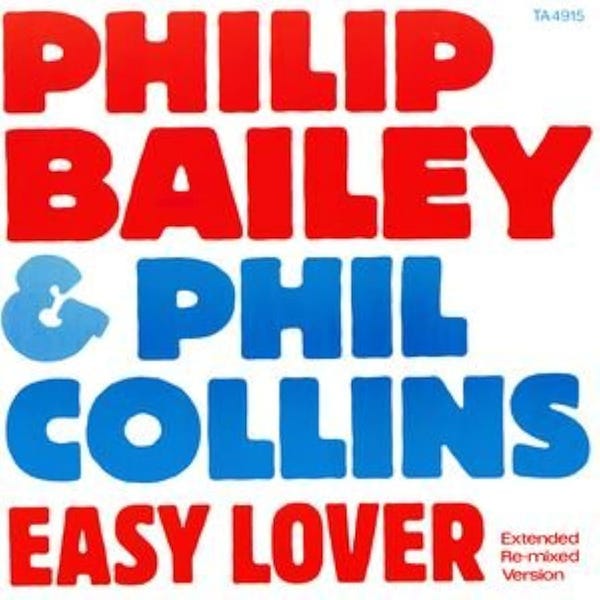
Then “Easy Lover” appeared on one of my playlists.
And from those first notes, I was back.
Music is a wonderful repository of memories that way. You can go years without hearing a song and then, within seconds, it pulls you straight back into another period of your life.
But there was another reason “Easy Lover” caught my attention.
The Crossover didn’t end with Disco
Last week, while writing about Dolly Parton, I tried to get a little closer to understanding why I’m so fascinated by pop and rock artists crossing over onto the dancefloor.
That story didn’t end when disco supposedly died.
The crossovers continued. They just became different and, in a sense, easier. By the mid-eighties, artists could move between musical worlds without necessarily facing the kind of backlash that came with “going disco” in the late seventies.
And it wasn’t a one-way street either. Black artists were moving beyond the roles the industry expected from them too. Which brings us to Philip Bailey.
One of the great voices of Earth, Wind & Fire. A singer steeped in funk, soul and R&B.
Making an album with Phil Collins.
And producing something that sounded very much like a rock record.
Except that one of its songs also reached #7 on Billboard’s dance chart and #3 on the twelve-inch sales chart.
Now we have a story.
👋 Welcome, I’m Pe Dupre, thanks for stopping by.
This is The Twelve Inch, a community about the history of dance music from 1975 to 1995, told one twelve-inch record at a time.
If this landed in your inbox because a friend forwarded it, I’d love for you to subscribe so you don’t miss the weekly episodes. Each one dives into a track, its story, and the culture around it.
And if you’re already enjoying the free posts, would you consider becoming a paid subscriber? Your support helps me keep researching, writing, and unearthing the stories behind the music. And You’ll get access to the weekly B-side post: the full archive and extra Subscriber Only Posts
The Happy Accident
As music fans, we sometimes like to imagine our heroes as super-talented geniuses who walk into a studio and pull fully formed songs out of thin air. The reality is usually much more interesting. Music history is riddled with happy accidents, experiments and sonic misadventures that somehow turn out right.
“Easy Lover” is a perfect example.
Phil Collins had produced almost an entire album for Philip Bailey when they realised something was missing. According to bass player Nathan East, Bailey felt they still didn’t have that undeniable single the record company would immediately recognise as a hit.
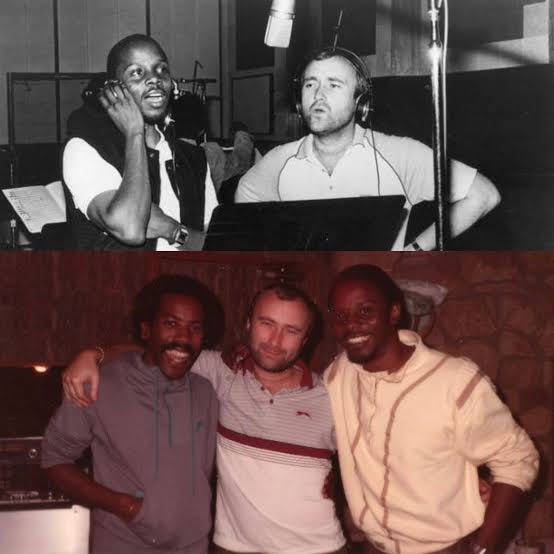
East sat down at the piano and started playing around with a riff.
Bailey joined in.
Then Collins.
Within about twenty minutes, the bones of “Easy Lover” were there.
They recorded what they considered a demo, initially singing “choosy lover” because the proper lyrics didn’t even exist yet. The idea was to come back and make the real record afterwards.
Except they listened to the demo the next day and realised they already had it. That was the record.
I love stories like that.
But how did Philip Bailey and Phil Collins end up in a studio together in the first place?
Because on paper, it wasn’t the most obvious combination.
Enter The Phenix Horns
Philip Bailey had spent the seventies as one of the voices of Earth, Wind & Fire, one of the most successful and influential American bands of the era. A crucial part of their sound was their brass section, the Phenix Horns.
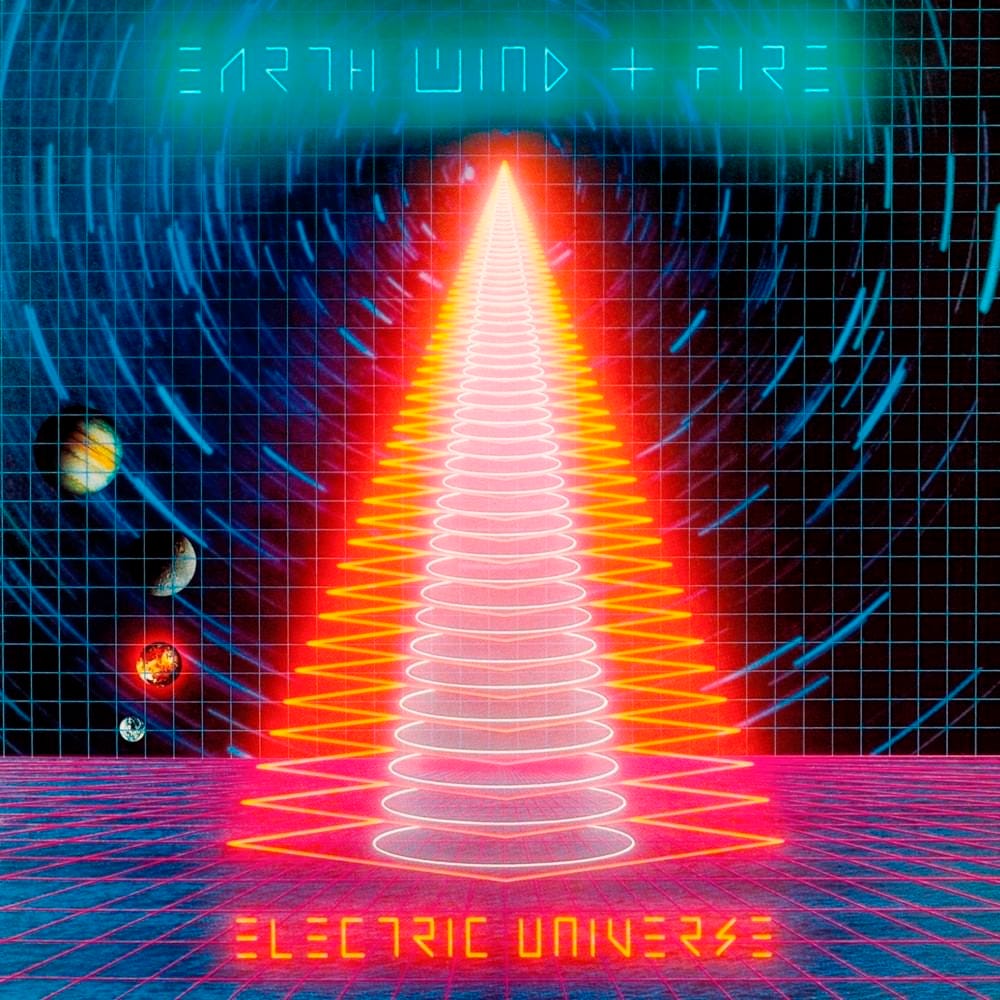
By the early eighties, Maurice White was increasingly experimenting with electronics and the band moved away from that horn-heavy sound. After 1983’s Electric Universe, Earth, Wind & Fire went on hiatus and Bailey suddenly had room to develop his solo career.
Meanwhile, Phil Collins was becoming very difficult to avoid. Genesis drummer. Genesis singer. Solo star. Producer. And, importantly for our story, a massive Earth, Wind & Fire fan.
Collins had already started working with the Phenix Horns, using them on his own records and with Genesis. That connection brought Bailey and Collins into each other’s orbit. Collins later recalled meeting Bailey through the horn players and discussing the possibility of working together when their paths crossed again in Los Angeles.
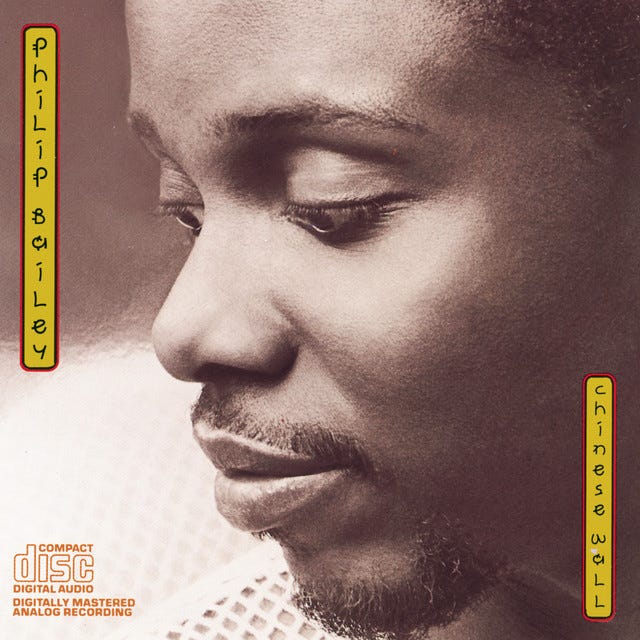
Bailey was preparing his second solo album, Chinese Wall, and initially wanted to cover a Phil Collins song. Then somebody had a better idea.
Why not ask Collins to produce the whole album?
They asked.
Phil said yes.
Considering his love for Earth, Wind & Fire, perhaps that shouldn’t surprise us too much.
But there was still an interesting tension. Collins came from British rock. Bailey came from American R&B. And Bailey wanted to make sure that distinction didn’t simply disappear.
Enter Nathan East
That is where Nathan East becomes important.
Bailey brought the bass player into the sessions, and if you’ve spent any time reading album credits from the eighties, there’s a very good chance you’ve encountered his name.
If you haven’t, don’t worry.
That’s what this week’s B-Side is for. 😁
East belongs to that fascinating world of session musicians who appear everywhere without necessarily becoming household names themselves. The Chinese Wall sessions would become an important moment in his career, and his presence also helped connect Bailey’s musical world with Collins’.
There are accounts suggesting that the Bailey-Collins collaboration wasn’t always completely straightforward. Collins himself later recalled some uncertainty early in the project about what kind of record they were actually making. Bailey, however, remembered the relationship much more warmly.
In his memoir, he described Collins as easygoing, unassuming and completely focused on the music.
And frankly, the birth of “Easy Lover” makes that easy to believe. Three musicians jamming in a studio. A bass player finds a riff. The singers jump in. Twenty minutes later, there’s a song.
Not exactly the sound of a dysfunctional recording session.
A Song That Fit Everywhere
“Easy Lover” became enormous.
It reached #1 in the UK and Canada and #2 on the Billboard Hot 100, where Foreigner’s “I Want to Know What Love Is” kept it from the top. It did reach #1 on the Cash Box chart.
But the really interesting bit is what happened when you look beyond the main pop chart. Billboard R&B: #3. Mainstream Rock: #5. Dance: #7. Adult Contemporary: #15.
That is quite a spread.
“Easy Lover” could sit on Top 40 radio, R&B radio, rock radio and the dancefloor without sounding entirely at home in any single one of them. And perhaps that is exactly why it sounds so mid-eighties to me.
It belongs to that period when some of the walls between rock, pop, R&B and dance music became increasingly porous.
Of course, for The Twelve Inch there is another important question.
What happens when you take a record like this and decide it needs a dance mix?
Because “Easy Lover” is not really a dance record by DNA. Yet somebody at Columbia clearly thought: give us a twelve-inch.
And thank God they did. 😁
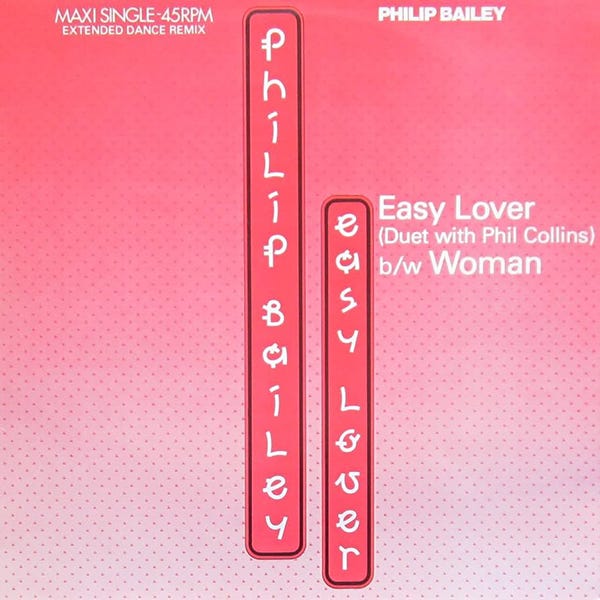
The extended dance remix stretched the track to more than six minutes, and the record reached #7 on Billboard’s Club Play chart and #3 on the magazine’s dance singles sales chart.
I’ll come back to the man behind that remix in the B-Side, because the twelve-inch tells another part of this crossover story.
Philip Bailey Get’s His Moment
For Bailey, “Easy Lover” transformed Chinese Wall. The album reached #22 on the Billboard 200 and #10 on the R&B album chart. More importantly, it gave him something outside Earth, Wind & Fire.
His own identity.
His own hit.
His own success.
There must have been some satisfaction in that. Earth, Wind & Fire had been put on hiatus by Maurice White, leaving the other members to figure out what came next. Bailey suddenly had a massive international hit without the band.
The freedom didn’t last forever.
Changes at Columbia delayed his next album while different A&R people debated which direction Bailey should take. Pop? R&B? By the time the follow-up arrived, the momentum had gone.
“Easy Lover” would remain his last huge crossover pop hit.
Earth, Wind & Fire eventually reformed and Bailey returned. More than forty years later, he is still part of the band. But for this brief moment in the middle of the eighties, Philip Bailey stepped outside Earth, Wind & Fire and collided with another musical world.
And out of that collision came one of those records that seems almost ridiculously effortless. Bailey’s soaring falsetto. Collins’ rougher voice pushing against it. Nathan East’s riff underneath.
And, of course, that enormous Collins drum sound.
Rock?
R&B?
Pop?
Dance?
Yes. 😁
Perhaps that’s why “Easy Lover” still works so well. Nobody seems to have worried too much about what box it belonged in while they were making it.
They just made the record.
And then somebody made a twelve-inch out of it.
Which is where our story continues.
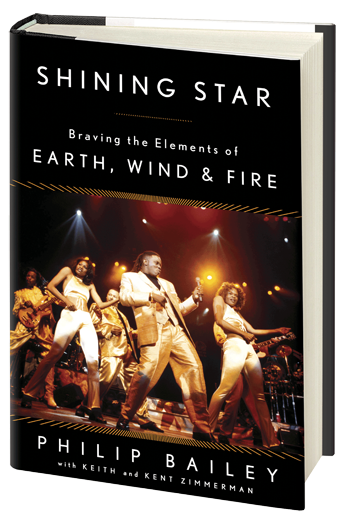
B-Side, Going Deeper Into The Groove
We’re going behind the scenes.
First, Nathan East, the bass player whose little piano riff helped create “Easy Lover”, and whose career opens the door to the fascinating world of the Los Angeles session musician.
Who were these musicians who seemed to appear on half the records made in the eighties? How did you become one of them? And how important were the connections between studios, producers and musicians?
Then I’m pulling out the twelve-inch.
Who decided “Easy Lover” needed a dance mix? Who mixed it? And what exactly do you do with an AOR/pop-rock record when somebody asks you to make it work in a club?
Because that #7 on Billboard’s dance chart is still nagging at me.
And you know me by now.
When something starts nagging at me, I have to find out why. 😁
What about you?
Did “Easy Lover” feel like a dance record to you at the time? And which other supposedly “rock” records from the eighties do you remember becoming genuine dancefloor records?
The Twelve Inch is a growing community of people who love disco, eighties, and early-nineties dance music.
If you know someone who would enjoy these stories, feel free to share this post with them or pass it along on Substack Notes. Every share helps the music, and the community, travel a little further. 💿✨
So You Wanna Hear More ?
I thought you would !
It’s fun to write about music but let’s be honest. Music is made to listen to.
Every week, together with this newsletter, I release a 1 hour beatmix on Mixcloud and Youtube. I start with the discussed twelve inch and follow up with 10/15 songs from the same timeframe/genre. The ideal soundtrack for…. Well whatever you like to do when you listen to dance music.
Listen to the Soundtrack of this week’s post on MIXCLOUD
Or on Youtube :