

Welcome to the B-side.
This is where things get a little closer to the source.
The parts of the story that don’t always make it into the main piece. The details behind the sound. The personal notes. And the versions that really tell you how a track worked on the dancefloor.
If you missed the A-Side story, you can read it here. 👇

Every twelve inch had a B-side where the DJs and collectors found the extra tools: beats, dubs and alternate versions.
This is the B-Side of this week’s episode, where we dig deeper into the story behind the record. Read it in one go or enjoy the different sections on different moments. The choice is yours
🥁 Mix 1 — The Beats
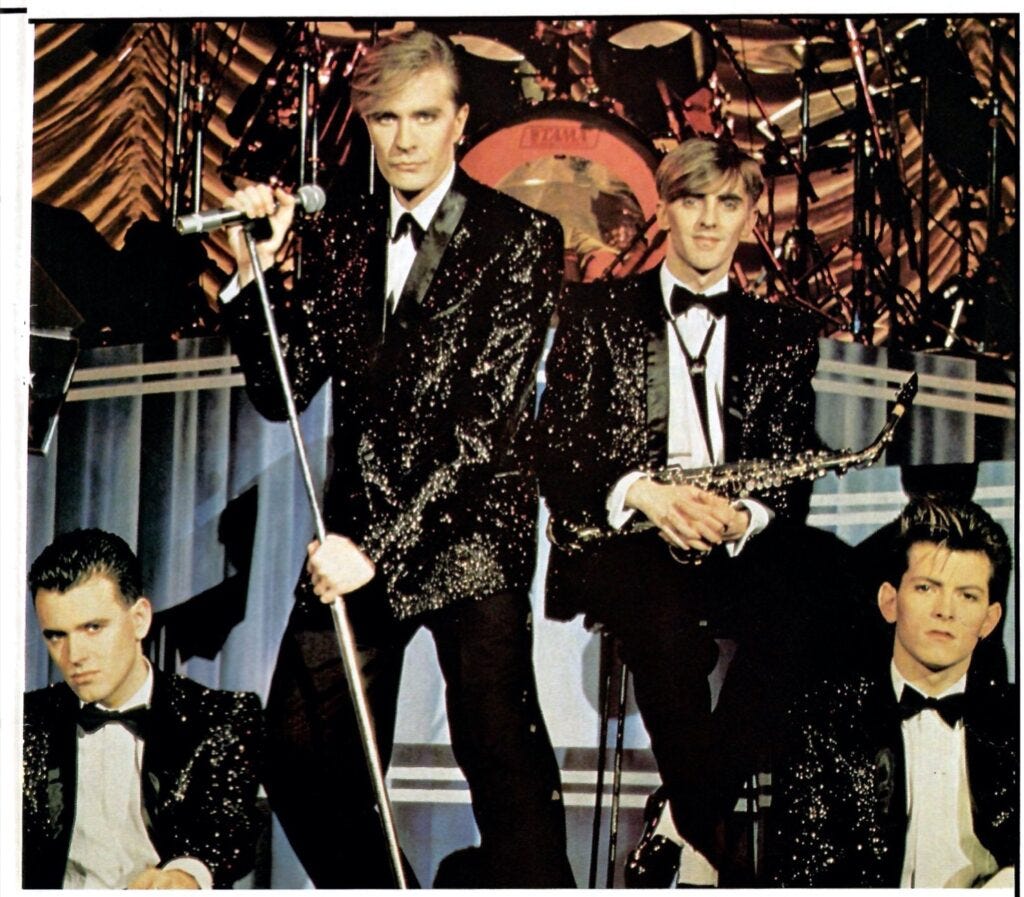
🎛️ Inside The Look Of Love: Trevor Horn, Bowie and the Sound of Widescreen Pop
The first thing you notice when you really listen to The Lexicon Of Love is how full it sounds.
Not busy.
Full.
There is a lot happening in almost every corner of the record, drum machines, bass, strings, keyboards, guitars, backing vocals, tiny theatrical details, yet somehow nothing falls over. The vocal still sits exactly where it should. The drama is huge, but the song remains clear.
That is the magic trick of Trevor Horn at this point in his career.
He was already thinking like a film director, not just a producer. And on The Look Of Love, you can hear him discovering just how wide a pop record could become.
🥁 Building the Groove Like a Tracing Paper Trick
The road to that sound started with Poison Arrow.
When ABC first came to Horn, the early recordings were not quite landing. The songs were there. The attitude was there. The image was certainly there. But the foundation still needed tightening.
Horn’s answer was simple, clever and very early eighties:
That little “tracing paper” image says so much.
This was not about replacing the band with machines. It was about using machines to sharpen the band.
The TR-808 gave the track a spine. The programmed bass helped lock the movement in place. Then the musicians could play over it with more confidence, more precision, more snap.
You can hear that method all over The Lexicon Of Love. It still has human drama, but underneath it sits a machine-tooled elegance. That tension, emotion on top, architecture below, is a big part of why the record still works.
And then, while working on The Look Of Love, the studio door opened and in walked someone you really do not expect to find in this story.
David Bowie.
⚡ When Bowie Drops By the Session
The sessions were taking place at Tony Visconti’s studio when Bowie sent word asking if he could come in.
Now, imagine that for a moment.
You are making a record that already feels impossibly stylish, cinematic and ambitious. You are trying to build the future of British pop 😁. And then Bowie walks in and simply sits there, being Bowie.
Horn remembered it beautifully:
That is such a wonderfully human detail.
One of the most important producers of the eighties, sitting in a studio with David Bowie, and still wondering decades later if politely rejecting one idea changed the course of his career.
