

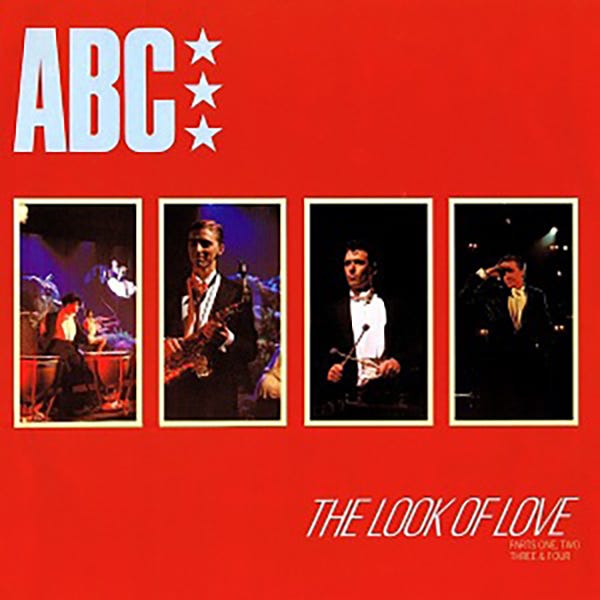
🎧 Some Albums Never Leave You
Like most of you, I’ve lived through several versions of the music industry. I grew up with vinyl. Embraced CDs. Followed everyone into downloads. Tried streaming. Then largely walked away from it.
The formats changed.
The albums didn’t.
And among the records that have followed me through every stage of that journey, one sits comfortably in my personal top five:
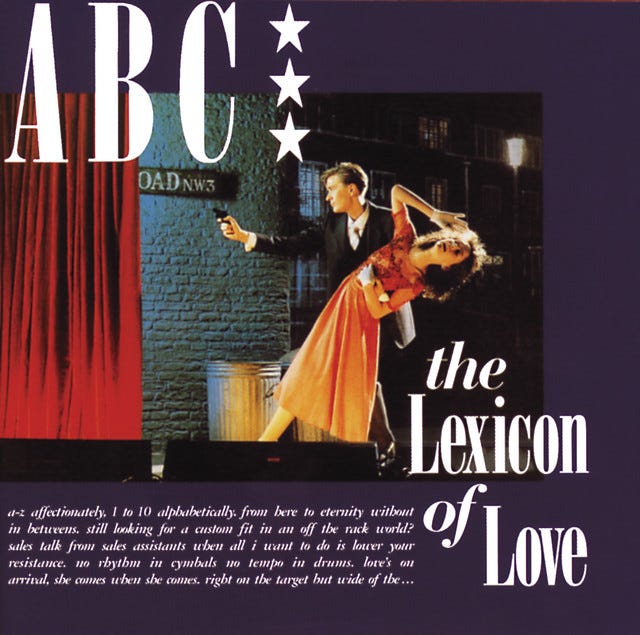
The Lexicon Of Love.
In fact, while researching this article, I realised something. One of the best ways to measure how important an album is in your life may be counting how many times you’ve bought it. For me, that number is five. Five separate purchases of the same album since 1982. 🤔
The original vinyl.
The first CD.
The 1996 remaster.
The Deluxe Edition packed with bonus material.
And, most recently, the Blu-ray Audio edition.
That last one wasn’t cheap.
But I wanted to get closer to what those recordings must have sounded like inside the studio.
And it did.
Not all the way, perhaps. I still suspect the ultimate listening experience is somewhere in the future. If I ever get the chance to hear The Lexicon Of Love properly mixed in Auro-3D, I suspect it will be breathtaking.
Because this isn’t just a great album. It’s one of those rare records that changed the possibilities of pop music. And, as we’ll discover, it all came together on a song called The Look Of Love.
👋 Welcome, I’m Pe Dupre, thanks for stopping by.
This is The Twelve Inch, a community about the history of dance music from 1975 to 1995, told one twelve-inch record at a time.
If this landed in your inbox because a friend forwarded it, I’d love for you to subscribe so you don’t miss the weekly episodes. Each one dives into a track, its story, and the culture around it.
And if you’re already enjoying the free posts, would you consider becoming a paid subscriber? Your support helps me keep researching, writing, and unearthing the stories behind the music. And You’ll get access to the weekly B-side post: the full archive and extra Subscriber Only Posts
🏭 Sheffield Dreams and Big Ambitions
To understand why The Look Of Love mattered, we need to travel back to Sheffield in 1982. At first glance, ABC looked like another synth-pop band emerging from the post-punk landscape.
They weren’t.
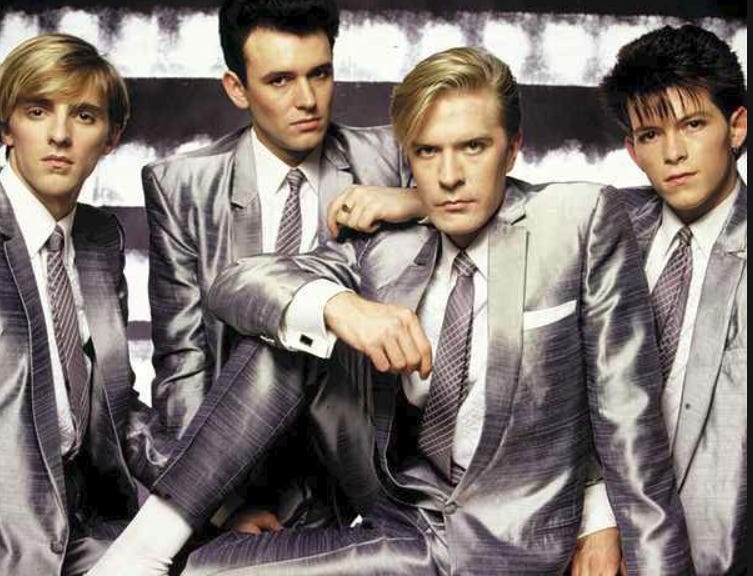
The group had evolved from an electronic outfit called Vice Versa, formed in 1977 by Mark White and Stephen Singleton. Martin Fry entered the story as a journalist, writing the fanzine Modern Drugs. After interviewing the band, he was invited to join. Eventually the roles reversed.
The interviewer became the frontman.
Vice Versa became ABC.
And one of the most distinctive voices of the decade was born.
Success arrived quickly. In 1981, ABC reached the UK Top 20 with Tears Are Not Enough. The song caught the attention of an ambitious young producer named Trevor Horn. Or more precisely, his wife Jill Sinclair.
Horn liked what he heard. ABC liked what Horn represented. But there was one problem. Neither side felt they had quite found the sound yet.
✨ Making Dance Music With Brains
ABC weren’t looking for another ordinary pop producer. Trevor Horn was the fourteenth producer they met.
Fourteenth.
Their confidence was extraordinary.
As Horn remembered: “They said to me If you produce us, you’ll be the most fashionable producer in the world, because we are the most fashionable band in the world”. 😁
Behind the bravado was a genuinely exciting idea. ABC wanted to make dance music. But they wanted it to be sophisticated. They loved Chic. They loved disco. They loved style.
Yet they also wanted sharp lyrics, emotional depth and cinematic ambition. In many ways they were trying to reconnect the elegance of late seventies dance music with the emerging post-punk world. It was exactly the sort of challenge that appealed to Trevor Horn.
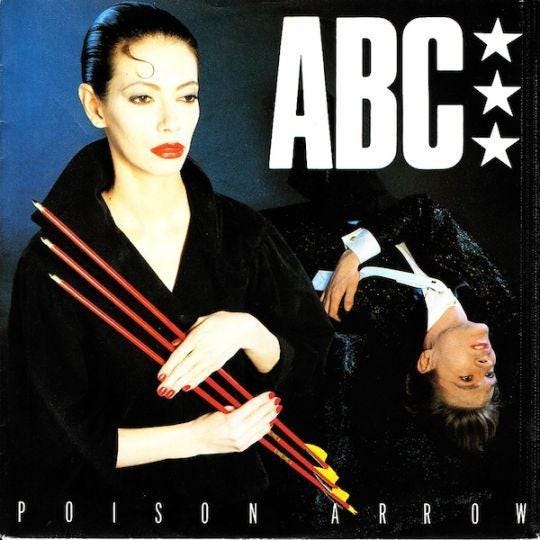
The first result was Poison Arrow.
The early sessions were difficult. Horn later recalled asking: “So I said to them, Is this what you had in mind? Or do you want to get it better than this?” Fortunately, everyone chose option two. (in this week’s B-side I’ll tell the full story)
The finished record became ABC’s first UK Top 10 hit. More importantly, it established the creative chemistry that would lead to something much bigger. Horn was hired to produce the entire album. And one song would bring all the pieces together.
❤️ The Look Of Love
By the time ABC began work on The Look Of Love, they knew exactly what they were trying to achieve. Every detail mattered. Every arrangement choice was deliberate. The experience gained during Poison Arrow was distilled into three and a half minutes of pure pop perfection.
Martin Fry later explained: “We were we were trying to make something that would sound very polished and very emotional. So we were using show business techniques like actually having an intro”
It sounds almost amusing now. But in 1982 that introduction immediately told listeners this wasn’t another standard synth-pop single. The song moves effortlessly between electronic textures and lush orchestration. Funk guitar rubs shoulders with dramatic strings. Post-punk cool meets old Hollywood glamour.
And somehow it all works.

Listening today, it’s difficult to appreciate just how fresh it sounded. But many musicians noticed immediately. Including members of rival bands. Because ABC weren’t simply making hits. They were raising the standard for everyone around them.
💿 The Twelve Inch That Changed Everything
This is where the story becomes especially relevant to The Twelve Inch. Because The Look Of Love didn’t just produce a hit single. It helped redefine what a dance remix could be.
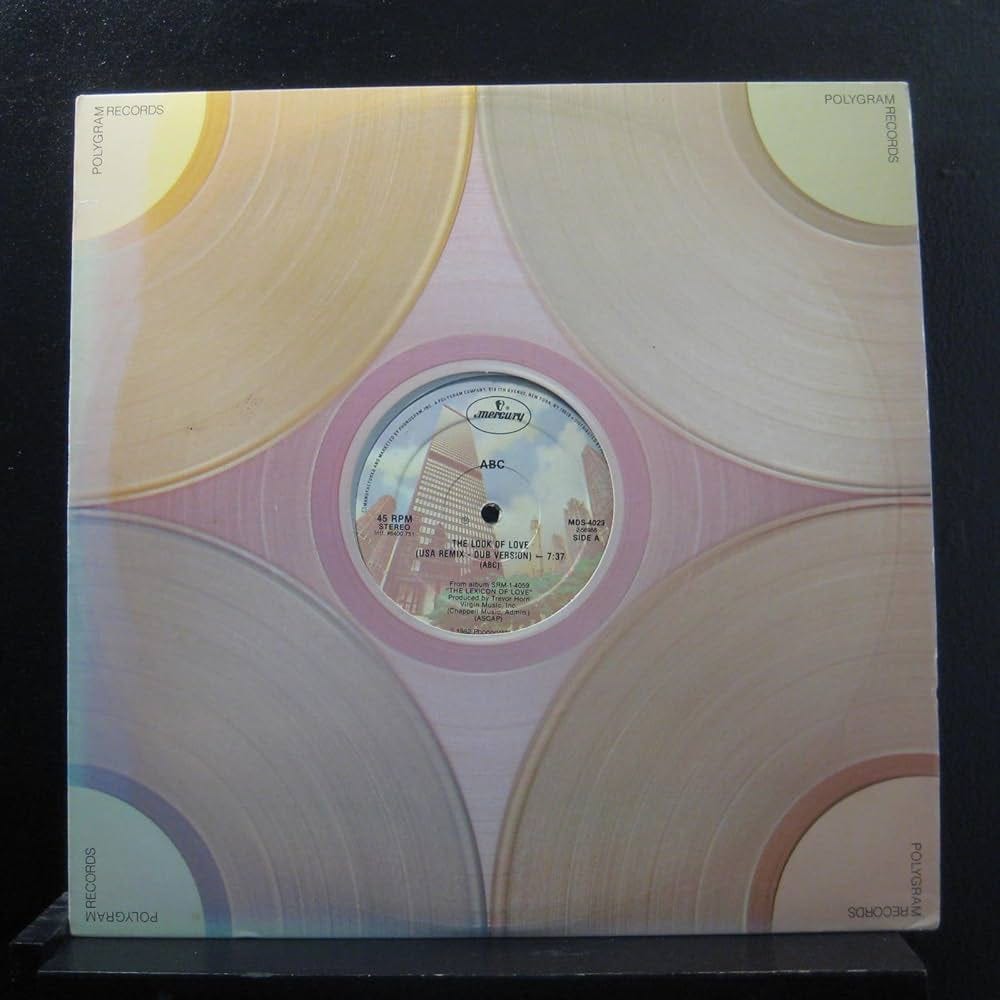
The resulting Dub Mix was initially created for the American market. Then something interesting happened. European DJs started importing huge quantities of the US twelve-inch. Demand became impossible to ignore.
The record company quickly issued the mix officially in Europe under the title Special Remix. In many ways this version became even more influential than the original single.
For Horn, it was the beginning of an obsession.
For dance music, it was another example of how the twelve-inch kept reinventing the possibilities of a pop record.
Often by accident.
🎥 A Chance Meeting That Changed Pop
While filming the video for The Look Of Love, another important piece of music history quietly fell into place. ABC invited Trevor Horn to the shoot. There he met someone who would become crucial to the next phase of his career.
Paul Morley.
That conversation would eventually help shape the world of ZTT, Frankie Goes To Hollywood and Art Of Noise. 👇
🎧 Beat Box & The Art Of Noise, The Moment Dance Music Learned To Sample Itself

If you look at the dance music scene in eighties England, three producers stand out as truly shaping the sound of the decade. I’ve zoomed in on Martin Rushent a few times already, and in two weeks I’ll take the dreaded step 😁 and dive into Stock Aitken Waterman.
🌍 How Big Was It?
Very big.
The Look Of Love became a Top 10 hit in Britain. Reached the Top 20 across much of Europe. Hit number one on the US Dance Chart. And climbed to number 18 on the Billboard Hot 100, helped enormously by heavy MTV exposure.
Then there was 🇨🇦
The one country that seemed to understand immediately just how special ABC were. The single reached number one and was certified Gold.
I’ve always said Canadians have excellent taste. 😁
🚀 The Record That Made Trevor Horn
ABC’s success changed Trevor Horn’s life. Before The Lexicon Of Love, he was a promising producer. After it, he was Trevor Horn.
He recalled hearing Poison Arrow introduced on Top Of The Pops: “The presenter introduced ABC by saying, It’s produced by Trevor Horn and it’s great. Which really blew my mind. Producers weren’t regularly name-checked on Top of the Pops, if ever. Hearing it, I thought, wow, I’m gonna be a famous producer”
He was right.
The album won him the Brit Award for Best British Producer. And it became the launchpad for one of the most influential production careers in modern music.
🎭 The Sequel That Never Happened
And then ABC did something unexpected. Instead of making Lexicon Of Love Part Two, they swerved.
Hard.
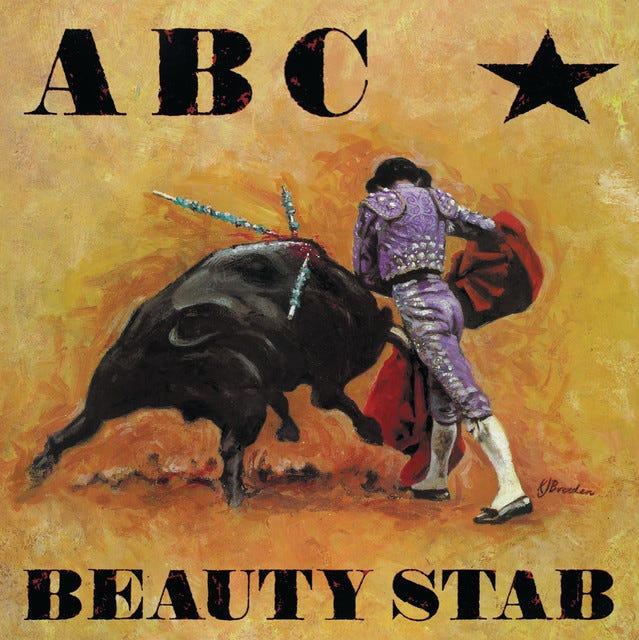
Their follow-up album, Beauty Stab, abandoned the polished glamour that had made them famous. Out went the orchestral sophistication. In came guitars, politics and a much tougher sound.
Trevor Horn almost produced the album.
Almost.
But he was busy with Yes and a little project called Frankie Goes To Hollywood.
According to Horn: “I asked ABC if they could wait and Mark White uttered the immortal line. He wants us to wait for three weeks? We wouldn’t wait for God that long”
Beauty Stab remains an excellent record. I bought it the week it was released and played it endlessly. But it wasn’t The Lexicon Of Love. The audience wanted another chapter of the story they had fallen in love with.
ABC wanted to write a different book.
Commercially, it didn’t work.
And although later albums attempted to reconnect with elements of the original formula, the moment had passed.
The world had moved on.
👑 Where Glamour Met the Dancefloor
Looking back today, what makes The Lexicon Of Love so important is not simply that it sold records. It’s that it connected worlds that previously seemed incompatible.
Disco and post-punk. Sophistication and commerciality. Art and ambition.
The album demonstrated that pop music could be intelligent, luxurious, emotional and danceable all at the same time. That lesson echoed throughout the decade.
You can hear it in Scritti Politti. In Swing Out Sister. In The Blow Monkeys. In the Pet Shop Boys. And in countless artists who followed.
Trevor Horn perhaps summed it up best: “I’ve made a lot of albums in my many years as a record producer, but this one stands out”,
For me, that’s easy to understand.
Because more than forty years later, I’m still buying copies of it.
And I suspect I’m not done yet.
This Week’s B-Side 🎁
The story doesn’t end here.
On the B-Side we’ll go behind the studio doors and look at how The Lexicon Of Love and The Look Of Love were actually recorded.
We’ll explore the rise of New Pop, the fascinating relationship between Thatcherism and pop ambition, and the idea that success suddenly stopped being a dirty word.
I’ll also untangle the surprisingly confusing history of the various twelve-inch releases of The Look Of Love.
And there’s a special companion playlist featuring some of my favourite ABC songs, including a few choices that may surprise even longtime fans.
The B-side is where we go deeper.
It iIt’s paywalled, but for the price of 8 premium coffees, you get:
a full year of B-sides
access to 150+ deep dives
future stories across genres
And yes, payment in beans is still impractical 😁
Join the club. I’d genuinely love to have you on board.

The Twelve Inch is a growing community of people who love disco, eighties, and early-nineties dance music.
If you know someone who would enjoy these stories, feel free to share this post with them or pass it along on Substack Notes. Every share helps the music, and the community, travel a little further. 💿✨
Let’s Keep The Discussion Going 💬
Was ABC part of your musical journey?
Did you buy The Lexicon Of Love when it was released?
And what is the one album you’ve found yourself buying again and again through every format change?
Let me know in the comments.
So You Wanna Hear More ?
I thought you would !
It’s fun to write about music but let’s be honest. Music is made to listen to.
Every week, together with this newsletter, I release a 1 hour beatmix on Mixcloud and Youtube. I start with the discussed twelve inch and follow up with 10/15 songs from the same timeframe/genre. The ideal soundtrack for…. Well whatever you like to do when you listen to dance music.
Listen to the Soundtrack of this week’s post on MIXCLOUD
Or On Youtube
This was fantastic, Pe! I wasn't familiar at all with this -- I may have heard it before, but never intentionally, so I was glad to sit down and listen. Knowing what I know about you and your taste in music (and the overlap with mine), I can totally see why this has all the ingredients to be a record you would buy five times! I loooove love love that sophisticated sound yet so rooted in R&B. That's a soft spot we both share.
I also loved finding out more about the band -- sounds like they were a handful 😂 but I love their attitude. They were, quite clearly, trailblazers.
Look forward to Side B!
Loved this article! I remember loving the debut album and being shocked when Beauty Stab and then Zillionaire came out. At the time I never understood why you would shift direction from such a successful sound. I now love all those albums. I’d have loved to have heard Beauty Stab & Zillionairw produced by Trevor Horn. Never too late!