

At some point I knew it was coming.
You can’t tell the story of dance music between 1975 and 1995 and keep avoiding Stock, Aitken & Waterman forever. I tried, believe me 😁
I carefully danced around them during the first season of The Twelve Inch. Not because they weren’t important, quite the opposite. Sometimes it was because they were too important.
And maybe also because I’ve always had a complicated relationship with their music.
I own a ridiculous amount of SAW productions on twelve inch. As a DJ they were almost impossible to resist. They mixed effortlessly. The BPM never drifted. The intros locked together perfectly. And within seconds you knew exactly what kind of record you were holding in your hands.
But then came the other side of the story.
Some of their productions were fantastic. Others were absolutely dreadful. Listening to a full SAW album from start to finish often felt like eating an entire birthday cake… alone. Fun for ten minutes, painful shortly after.
Still, love them or hate them, dance music today would not sound the same without Stock, Aitken & Waterman.
And even if you dislike half their catalogue, you still have to thank them for one thing.
They gave us Kylie Minogue.
Everybody loves Kylie.
So where do you begin with a production team that dominated the second half of the eighties?
Logically, Kylie would have made sense.
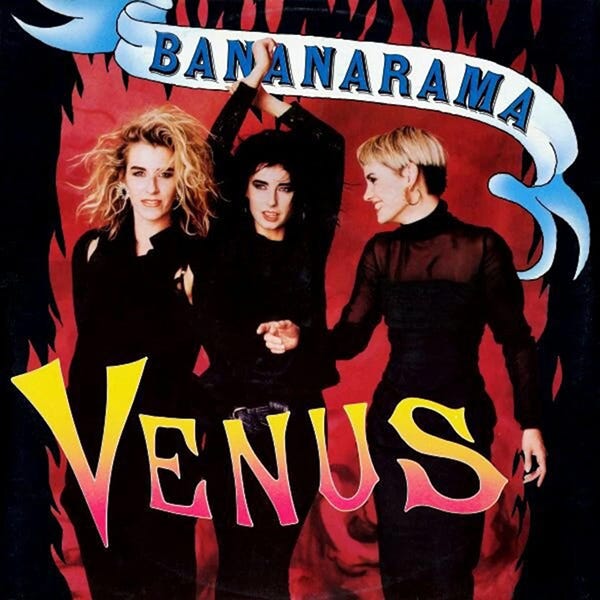
But instead I ended up somewhere slightly stranger, and maybe even more important. With Bananarama and a cover version that changed everything.
👋 Welcome, I’m Pe Dupre, thanks for stopping by.
This is The Twelve Inch, a community about the history of dance music from 1975 to 1995, told one twelve-inch record at a time.
If this landed in your inbox because a friend forwarded it, I’d love for you to subscribe so you don’t miss the weekly episodes. Each one dives into a track, its story, and the culture around it.
And if you’re already enjoying the free posts, would you consider becoming a paid subscriber? Your support helps me keep researching, writing, and unearthing the stories behind the music. And You’ll get access to the weekly B-side post: the full archive and extra Subscriber Only Posts
🎤 Three Girls From The Post-Punk Underground
Long before the glamorous videos, choreographed camp and global chart domination, Bananarama looked nothing like the polished pop group they would become.
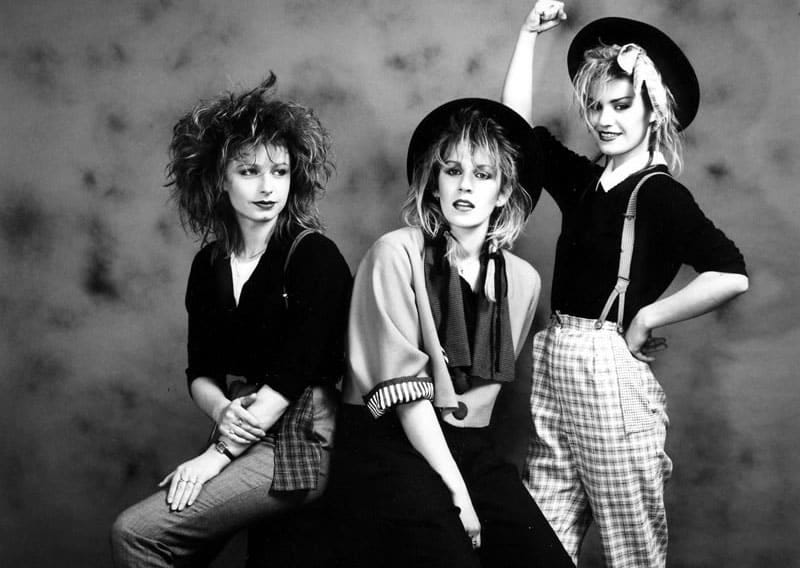
The group formed in London in 1980 when childhood friends Sara Dallin and Keren Woodward moved from Bristol and met Siobhan Fahey at the London College of Fashion. Money was tight. Very tight. At one point they were nearly homeless until Paul Cook of the Sex Pistols offered them a place to stay above the former Sex Pistols rehearsal room in Denmark Street.
Which tells you almost everything you need to know about where Bananarama really came from.
Not polished pop.
Punk.
The trio moved through the same late seventies and early eighties post-punk circles as bands like The Jam and Subway Sect. They performed impromptu backing vocals, hung around clubs and absorbed the chaotic DIY spirit that was flowing through London at the time.
The Twelve Inch is the story of how dance music kept reinventing itself, often by accident.
And Bananarama were another perfect example of that. Because despite their later image, they started out much closer to underground club culture than mainstream pop.
Their first single, “Aie a Mwana”, was a Swahili cover of a song by Black Blood. It barely scraped the UK charts but became an underground club hit. Covers were already part of their DNA.
Over the next few years they regularly performed songs like “Really Saying Something”, “Na Na Hey Hey (Kiss Him Goodbye)” and another song they kept returning to during rehearsals and live appearances.
“Venus”.
But there was a problem.
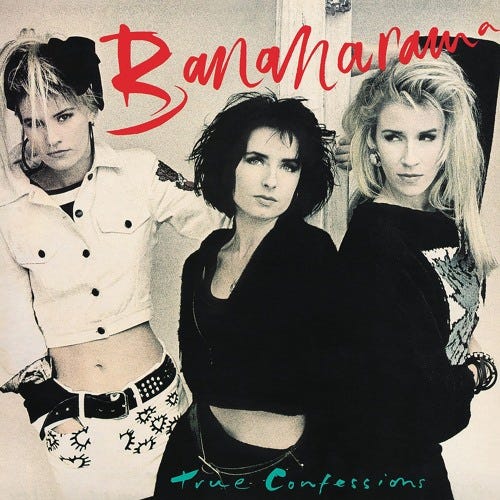
They didn’t want to become the cover version group. So Venus didn’t make it on to the first two albums. And even when they worked on their third album with producers Jolley & Swain, “Venus” stayed in the drawer.
At least for a while.
⚡ The Record That Changed Everything
By 1985 Bananarama had a problem. The third album was finished. The record company listened to it. And they didn’t hear enough hits.
At almost the exact same moment, another record was exploding out of clubs across the UK.
You Spin Me Round (Like a Record) by Dead or Alive.
If you were anywhere near a dancefloor in 1985, you knew it immediately. That relentless Hi-NRG pulse, those machine-tight drums, the sheer force of the production. It sounded mechanical, synthetic and euphoric at the same time.
Bananarama instantly understood what they wanted.
Take “Venus”.
Make it sound like that.
They first approached Jolley & Swain with the idea. The producers thought it couldn’t work. Then they went to the relatively new production trio behind “You Spin Me Round”.
Stock, Aitken & Waterman.
At first, they said no too.
Ironically, despite the success of Dead Or Alive, SAW were still struggling financially. Pete Waterman later admitted they genuinely believed artists would be lining up outside their studio after scoring a UK number one.
Nobody came.
So eventually they accepted the job.
And dance music history quietly changed direction.
🎛️ The SAW Formula Begins To Lock In
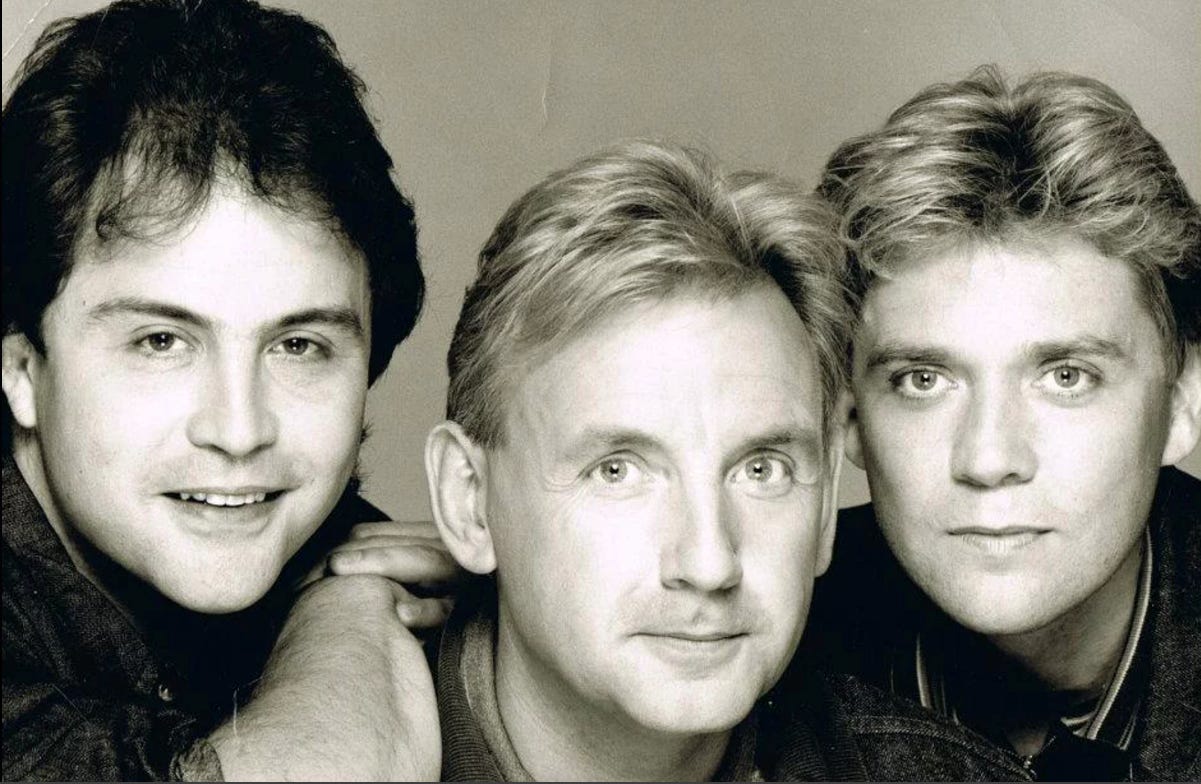
The story of Stock Aitken Waterman almost feels impossible in hindsight.
More than 100 UK Top 40 hits. Tens of millions of records sold. A production sound that became one of the defining musical languages of the late eighties.
But in the beginning they were simply trying to merge club music with pop songwriting.
”Our plan was to write a song and put it on a dance beat so you can capture radio and clubs” said Mike Stock
That sentence explains almost everything.
Pete Waterman brought DJ culture, A&R instincts and business ambition. Mike Stock was the core songwriter. Matt Aitken handled much of the musicianship and studio work. Their roots were deeply connected to Hi-NRG club culture. Early productions for Divine and Hazell Dean had already become favourites in gay clubs, where SAW first built momentum.
But “Venus” would become something different.
Not underground.
Global.
🌍 Venus Goes Nuclear
The original “Venus” by Shocking Blue had already been a worldwide hit in 1970. But Bananarama weren’t interested in nostalgia. They wanted adrenaline.
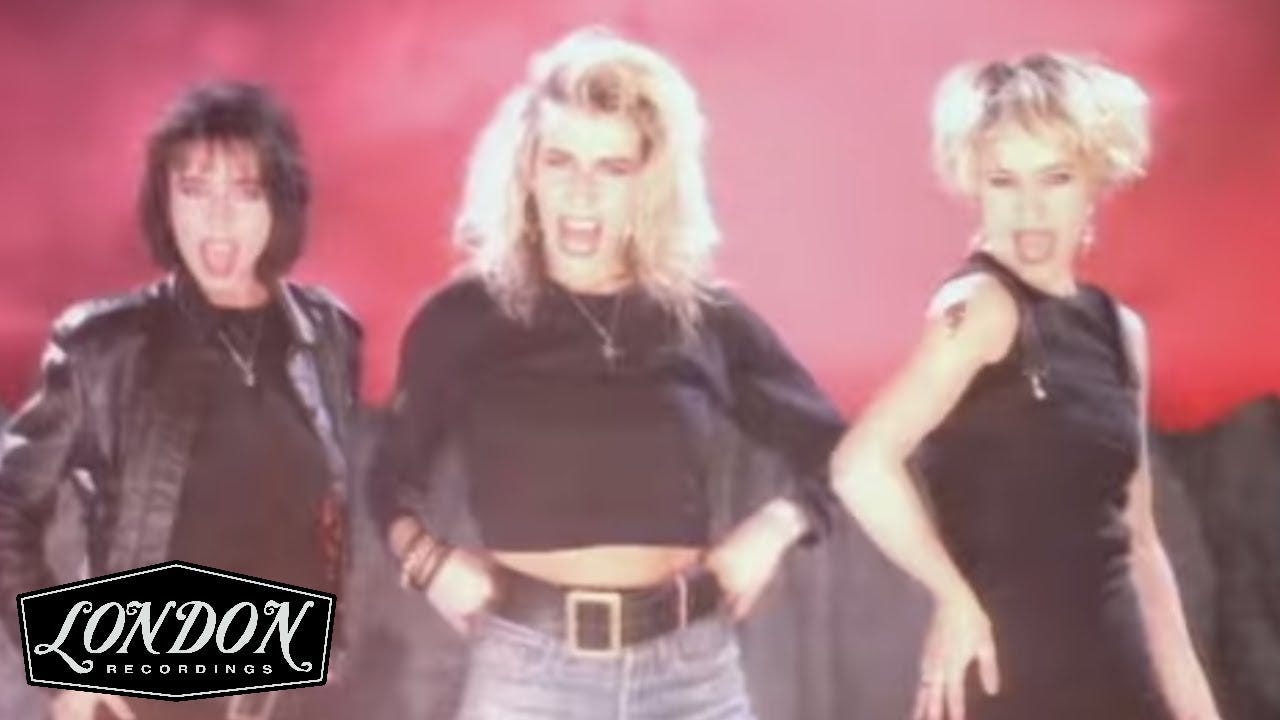
The first SAW version apparently sounded too different from “You Spin Me Round”. The girls hated it. So overnight, Pete Waterman and the team made a radical decision. They lifted the rhythm track feel directly toward the Dead Or Alive template.
And suddenly everything clicked.
‘‘As soon as we heard Dead Or Alive’s ‘’You Spin Me Round’‘, we knew – that’s where we’re going. I loved that record. At that point, we were all on the same page. It was like, who produced Dead Or Alive’s single? Let’s do ‘’Venus’‘ like that. We’d been struggling with that third album and we didn’t have a lead single and suddenly we had a single and it turned everything around.”said Siobhan Fahey
If you listen to both records today, the similarities are impossible to miss. And yes, that became part of the criticism surrounding SAW for years. The idea that many productions were essentially variations of the same formula.
But here’s the thing.
Formulas work because they capture something people physically respond to.
And SAW understood dancefloors better than most rock critics ever did.
“Venus” exploded worldwide.
Number one in the United States, Canada, Australia, New Zealand, Switzerland, Mexico and South Africa. A dancefloor smash across Europe. Number one on the US Dance Chart.
And suddenly Bananarama transformed too. The women who once wore overalls and moved through post-punk circles now appeared in one of the campest pop videos of the decade, dressed as goddesses, vampires and devils, surrounded by shirtless men and exaggerated choreography.
And they loved every second of it.
‘’That was the first time we really went for an extravaganza in the costume department; obviously triggered by the lyrics of the song. And I think that’s where we discovered our enjoyment of camp.’‘ said Siobhan Fahey
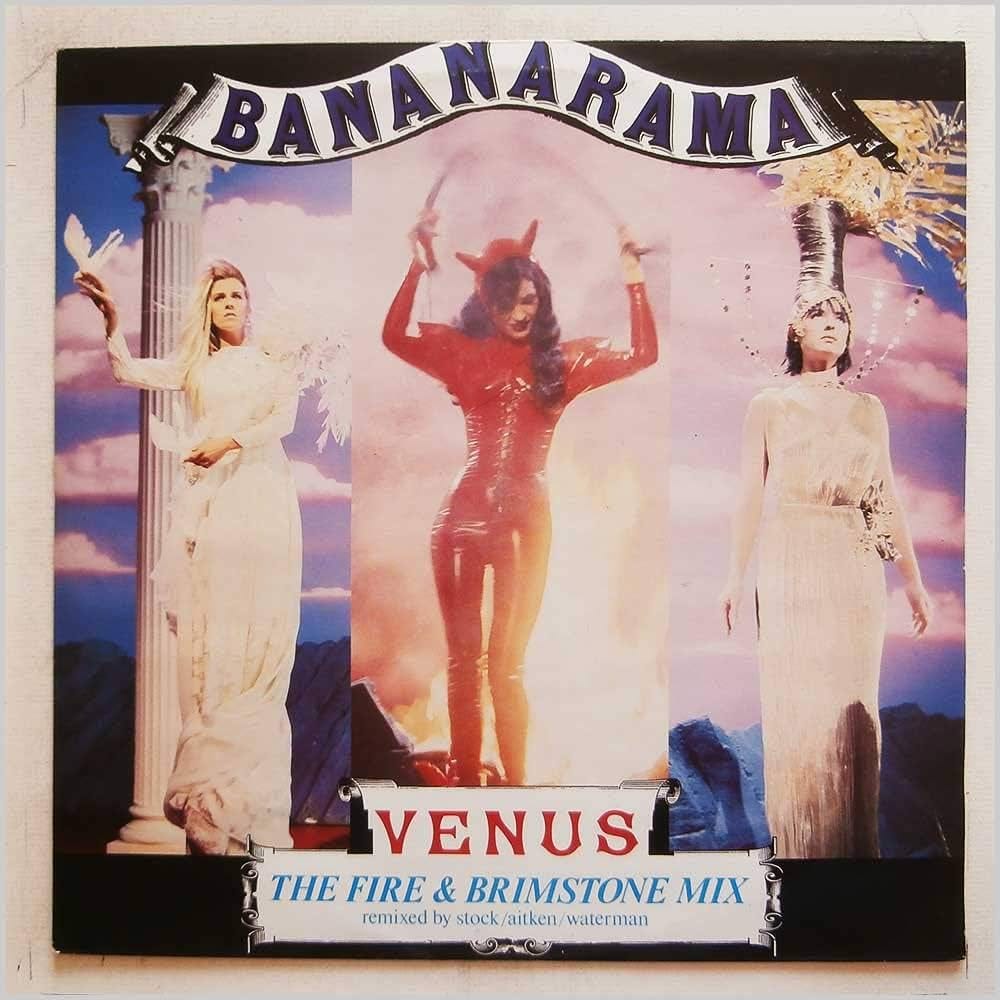
Apparently they recorded the vocals in just two takes. The result became one of the defining crossover records of the decade.
🔥 Why “Venus” Mattered So Much
What made “Venus” important wasn’t just the success.
It was the blueprint.
SAW had figured out how to package underground dance energy into pure mainstream pop without removing the bodily impact of club music.
That was the breakthrough.
Radio loved it. MTV loved it. Clubs loved it.
And millions of people who never stepped inside a nightclub were suddenly dancing to Hi-NRG production techniques born in gay clubs and underground dance culture.
That crossover changed pop forever.
Without records like “Venus”, you probably don’t get the full late eighties SAW explosion. Maybe not the same Kylie phenomenon either. And certainly not the idea that dance producers could completely dominate mainstream pop culture.
That bridge between underground rhythm culture and mass-market pop became one of the defining stories of the next decade.
And in many ways, we still live inside that blueprint today.
This Week’s B-Side 🎁
This week’s subscriber-only B-Side goes much deeper into the Stock, Aitken & Waterman machine.
The Stock, Aitken & Waterman sound. How did they create it and why was it so appealing?
Why where they so important in the evolution of dance music?
Plus a special playlist with the best SAW productions for your weekend listening.
The B-side is where we go deeper.
It iIt’s paywalled, but for the price of 8 premium coffees, you get:
a full year of B-sides
access to 150+ deep dives
future stories across genres
And yes, payment in beans is still impractical 😁
Join the club. I’d genuinely love to have you on board.

The Twelve Inch is a growing community of people who love disco, eighties, and early-nineties dance music.
If you know someone who would enjoy these stories, feel free to share this post with them or pass it along on Substack Notes. Every share helps the music, and the community, travel a little further. 💿✨
Let’s Keep The Discussion Going 💬
Did you love Stock, Aitken & Waterman, hate them, or both at the same time like me? 😁
What’s your favourite SAW production?
And do you think “Venus” still works on a dancefloor today?
I’d genuinely love to hear your memories, favourites and hot takes in the comments.
Let’s continue the conversation 👇
So You Wanna Hear More ?
I thought you would !
It’s fun to write about music but let’s be honest. Music is made to listen to.
Every week, together with this newsletter, I release a 1 hour beatmix on Mixcloud and Youtube. I start with the discussed twelve inch and follow up with 10/15 songs from the same timeframe/genre. The ideal soundtrack for…. Well whatever you like to do when you listen to dance music.
Listen to the Soundtrack of this week’s post on MIXCLOUD
Or On Youtube
I really enjoyed this, Pe.
I have always had a conflicted relationship with Stock, Aitken & Waterman. On one level, they were a production juggernaut, and there were times when the machine became almost too visible: the sound, the structure, the commercial precision, the sense that everything had been engineered for maximum impact.
But that is also why it worked.
As much as part of me wanted to resist it, I could never fully dismiss SAW, because the records did exactly what they were built to do. They moved. They locked in. They understood the dancefloor with a clarity that a lot of more “serious” music never managed. Even when the formula was obvious, the physical effect was undeniable.
For me, Bananarama were right at the top of that list. “Venus” was everywhere, but it never felt accidental. It had that strange late-80s force where underground club energy, commercial pop, camp, image, and pure momentum all crashed into each other and somehow became irresistible.
What I really appreciated here is the reminder that Bananarama did not simply appear as polished pop product. There was post-punk, DIY culture, club culture, and a much stranger route into the mainstream behind them. That makes “Venus” much more interesting than just a massive hit single. It becomes one of those records where you can actually hear pop changing shape.
Great piece, and a really sharp way of dealing with SAW without either dismissing them or pretending the complications are not there.
As always, a great essay and I learned so much! I had no idea who SAW was (and I didn't say that just to include a great palindrome). But I know so much of their work. I was never really aware of producers or production teams back then. I was aware of Bananarama, though. And from their early days. Well, maybe not super early. I feel like it was their teaming with Fun Boy Three that made me love them first (though I can't recall if I'd heard their own stuff before the FB3 collab). "Really Saying Something" and "It Ain't What You Do..." were all over KROQ, the new wave station in southern California. I just played them right now and love this Top of the Pops video.
https://youtu.be/vfbR__bcuKY?si=Ur88JDaGzot7tXk8
Of course, I knew the hits - Venus and Cruel Summer and Shy Boy. They seemed like they were having fun and also poking fun at the coordinated dance step/girl group tropes.