

Welcome to the B-side.
This is where things get a little closer to the source.
The parts of the story that don’t always make it into the main piece. The details behind the sound. The personal notes. And the versions that really tell you how a track worked on the dancefloor.
If you missed the A-Side story, you can read it here. 👇
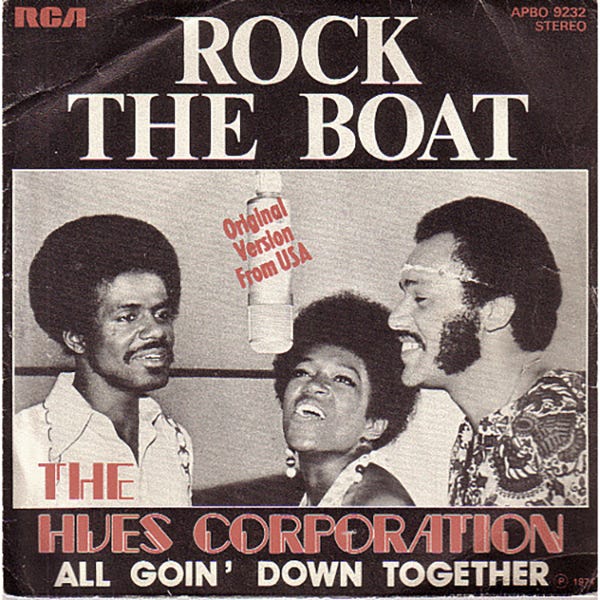
🚤 Rock The Boat: The Album Track Nobody Wanted That Helped Invent Disco

If you’ve been reading The Twelve Inch for a while, you’ve probably noticed something. The story I’m telling, the story of disco and the dance music that followed it through the eighties and early nineties, isn’t neat.
Every twelve inch had a B-side where the DJs and collectors found the extra tools: beats, dubs and alternate versions.
This is the B-Side of this week’s episode, where we dig deeper into the story behind the record. Read it in one go or enjoy the different sections on different moments. The choice is yours
🥁 Mix 1 — The Beats
🌃 New York Before Disco: The City That Needed a Dancefloor
If you’ve ever watched documentaries about disco, you’d be forgiven for thinking it all started with mirror balls, white suits and the Bee Gees. As if one day America collectively decided it wanted to wear satin shirts, point dramatically at the ceiling and dance to four-on-the-floor rhythms.
It’s a nice story.
It also happens to be wrong.
To understand why a record like Rock The Boat could explode in the summer of 1974, you first have to understand the city that embraced it.
And New York in the early seventies wasn’t glamorous.
It was falling apart.
🏙️ The City That Was Coming Apart
When we think of New York today, we tend to picture a city polished for tourists. Broadway lights. Luxury apartments. Times Square packed with visitors. The New York of 1972 looked very different. The city was broke.
It was stumbling towards the financial crisis that would culminate in the near-bankruptcy of 1975. Entire neighbourhoods were being neglected. In the South Bronx, Harlem and parts of Brooklyn, landlords abandoned buildings or set them on fire to collect insurance money. Crime rates climbed. The subways were covered in graffiti. Many middle-class families fled to the suburbs.
For those left behind, life wasn’t easy. And yet, strangely enough, some of the most creative cultural movements in modern history emerged from precisely this kind of instability.
Hip-hop.
Punk.
And disco.
Because when institutions fail you, communities tend to build their own alternatives. The underground nightlife scene wasn’t simply about escaping reality. For many people, it was survival. It was family. It was belonging. It was joy reclaimed.
💃 The Dancefloor as Sanctuary
One of the biggest misconceptions about disco is that it was frivolous. A soundtrack to excess. A glitter-coated distraction from the real world. But if you talk to the people who were there, a different picture emerges.
The people who built early disco were largely Black, Latino and gay New Yorkers. And mainstream America had very little space for them. Black communities were navigating the unfinished promises of the Civil Rights era. Puerto Rican and Latino communities were often economically marginalised and culturally overlooked. Gay men and women still lived under constant threat of harassment, police raids and public exposure.
The places where these communities could simply exist, openly and safely, were incredibly rare. That’s why the clubs mattered. They weren’t just places to dance. They were places where people could breathe.
I’ve often thought about that whenever disco gets reduced to jokes about glitter balls and platform shoes. Because if you remove the communities that created it, you remove the entire reason disco existed in the first place.
The music came later.
The need came first.
🎶 Before There Was Disco
Another misconception?
That people suddenly started making “disco records.”
They didn’t.
Nobody walked into a recording studio in 1970 announcing they were making disco. The DJs didn’t think that way either. They simply searched for records that worked. Soul records. Latin records. Funk records.
Imports from places few Americans could locate on a map. Jazz tracks with hypnotic percussion. Anything capable of creating momentum. Anything that kept people moving.
It’s one of the reasons I find these transitional periods so fascinating.
As collectors, we’re often obsessed with firsts. The first house record. The first synth-pop single. The first techno track.
Reality is usually much messier. Genres don’t arrive fully formed. They leak into existence. And nowhere was that leakage more obvious than New York.
🇫🇷 Wait… Why Is It Called Disco?
Here’s a little crate-digger detail I absolutely adore. The word “disco” wasn’t even American. It came from the French word discothèque.
During the Nazi occupation of France, recorded music became a practical alternative to expensive live bands. Dancing to records was cheaper and, in some circumstances, safer. After the war, Parisian clubs embraced the concept. Places like the Whisky à Gogo helped popularise dancing to DJs rather than orchestras.
By the early sixties, entrepreneur Régine had gone a step further. She installed dedicated dancefloors, coloured lighting and replaced automated jukeboxes with two turntables, operating them herself to keep music flowing without interruption.
Think about that for a moment.
One of dance music’s defining ideas, uninterrupted musical flow, was already taking shape in Europe before disco even existed.
Eventually, that DNA crossed the Atlantic. American venues like the Peppermint Lounge and Arthur introduced elements of the discothèque concept to New York nightlife. But the truly revolutionary spaces weren’t uptown. They weren’t glamorous. And they certainly weren’t exclusive in the traditional sense.
Their stories were still waiting to unfold.
🎧 The Real Ground Zero
The real origins of disco weren’t found in celebrity clubs. They emerged in loft apartments. After-hours gatherings. Black and Latino social spaces. Underground gay parties.
In rooms filled with people who often felt unwelcome elsewhere.
The dancefloor became something more than entertainment. It became an act of self-definition. A declaration that joy mattered. That community mattered. That visibility mattered.
As we’ll discover in the next chapters of this B-Side journey, each of the communities that built disco brought something essential to the table.
The Latino community brought rhythms, percussion and an already thriving culture of social dancing. The gay underground transformed clubs into sanctuaries and reinvented the role of the DJ. Black America provided the deepest musical foundations, from funk and soul to Philadelphia’s lush orchestrations and the cultural confidence that shaped the sound itself.
Remove any one of those threads and disco looks very different.
Remove all three and it never happens at all.
📀 A Collector’s Reflection
One of the reasons I enjoy writing these B-Sides is because they remind me that records rarely tell their full story on their own. As collectors, we tend to focus on the object. The sleeve. The label. The matrix number. The twelve-inch mix.
But sometimes the most fascinating part of a record’s history isn’t pressed into the vinyl. It’s hidden in the room where people danced to it. Who was there. What they needed. What they feared. What they hoped for.
A song like Rock The Boat suddenly becomes much bigger when you realise the city embracing it wasn’t simply looking for entertainment. It was looking for connection. For release. For a few precious hours of freedom.
And perhaps that’s why disco resonated so powerfully. It wasn’t merely asking people to dance. It was inviting them to belong.
And next, we’ll meet the three communities who transformed that invitation into a movement that changed popular music forever.
🪘 The Three Communities That Invented Disco
The people behind the groove
If Part One taught us anything, it’s this:
Disco wasn’t born in a recording studio.
It emerged because people needed places where they could exist freely.
The records came afterwards.
And if we really want to understand why a song like Rock The Boat landed so perfectly in New York in the summer of 1974, we need to meet the people who had already been building the dancefloor long before the rest of America discovered it.
The truth is both simple and uncomfortable. Disco wasn’t created by one genius producer. It wasn’t invented by a single record. It wasn’t even one community.
It was the meeting point of three worlds.
Black.
Latino.
Gay.
Three communities that, at the time, often existed at the margins of mainstream American culture. Three communities that carried their own musical traditions, struggles and forms of resistance. And once those worlds collided on New York’s dancefloors, something entirely new emerged.
Let’s start with the rhythms.
🥁 The Latino Pulse
If disco taught us to move in a certain way, chances are the Latino community had already been doing it for decades.
New York in the sixties and early seventies was one giant cultural collision. Puerto Rican families settled in Spanish Harlem and the Bronx. Cuban musicians brought their traditions north. African American communities contributed soul, funk and jazz.
People lived on the same streets. Visited the same clubs. Danced in the same rooms. The music couldn’t help but intermingle.
Before salsa conquered New York and before disco took shape, there was boogaloo. And boogaloo doesn’t get nearly enough credit. Partly because it was short-lived. Partly because history tends to reward winners. Boogaloo was gloriously messy. A little bit Latin. A little bit soul. English lyrics. Afro-Cuban percussion. Jazz horns. Handclaps. Piano riffs. Funky rhythms.
It was, in many ways, the first serious attempt to create a musical common ground between Black and Latino audiences.
And audiences loved it.
I often think of genres like boogaloo as transitional fossils. Collectors know the feeling. You stumble across a record and think: “This doesn’t quite sound like what came before.” “But it doesn’t sound like what came after either.” Those are often the records that tell the most interesting stories. Boogaloo is one of them.
Then there was Mongo Santamaría. His version of Watermelon Man helped establish the conga drum inside African American popular music. That might sound like a technical footnote.
It wasn’t.
Because once those percussion instruments entered funk and soul recordings, they never really left. Listen closely to disco. Underneath the strings and orchestration you’ll often hear: Congas. Cowbells. Timbales. Bongos.
The heartbeat of Latin music.
🎺 When Salsa Took Over
By the early seventies, boogaloo gradually faded. Not through scandal. Not through backlash. It simply gave way to something hotter. More rooted. More sophisticated.
Salsa.
For many dancers, it also marked the return of touch. Partner dancing. Connection. Bodies communicating without words. Salsa wasn’t merely entertainment. It became a cultural statement. It told stories about immigrant life. Poverty. Pride. Displacement. Survival. Particularly for Puerto Rican communities trying to build lives in New York.
The epicentre of this movement was Fania Records. Think of Fania as the Motown of Latin New York. It provided infrastructure. Identity. Stars. A sense of movement.
Artists like Celia Cruz, Willie Colón, Rubén Blades and Ray Barretto became household names within Latino communities.
More importantly, Fania built an audience. And many of those same audiences would soon embrace disco. The transition wasn’t abrupt. It was organic.
The same people dancing to salsa found themselves dancing to early disco. The same musicians often played on both kinds of records. The same clubs welcomed both sounds.
These weren’t separate worlds.
They were overlapping circles.
🏳️🌈 The Dancefloor as Liberation
If the Latino community supplied many of disco’s rhythms, the gay underground transformed what a dancefloor could actually mean.
The story begins before disco itself. On the streets. In June 1969. At Stonewall.
Today, Stonewall is rightly remembered as one of the defining moments in LGBTQ+ history. The first major collective stand against police brutality directed at gay communities. The riots became a catalyst. Not just politically. Socially. Emotionally.
Suddenly, a generation had language for what they wanted. Visibility. Freedom. Community. But public space remained hostile. Police raids continued. Harassment remained common. Many bars were controlled by organised crime. Outing someone could destroy lives.
So the community built alternatives.
And the dancefloor became one of them.
It’s difficult to overstate how important these spaces were. They weren’t simply nightclubs. They were sanctuaries. Places where people could hold hands. Kiss. Dance. Exist. Without constantly scanning the room for danger.
Most accounts of the era describe venues like the Loft, 12 West, Infinity, Flamingo and later the Paradise Garage and the Saint as places of ecstatic release. People danced all night. Drugs circulated. Sexual boundaries blurred.
But underneath the hedonism was something deeper.
Belonging.
Disco clubs were places where oppressed groups such as homosexuals, Blacks, Latinos, and Jews could party without following male-to-female dance protocol or exclusive club policies.
Disco wasn’t escapism from politics.
It was the creation of an alternative society.
🎧 David Mancuso and the Sacred Dancefloor
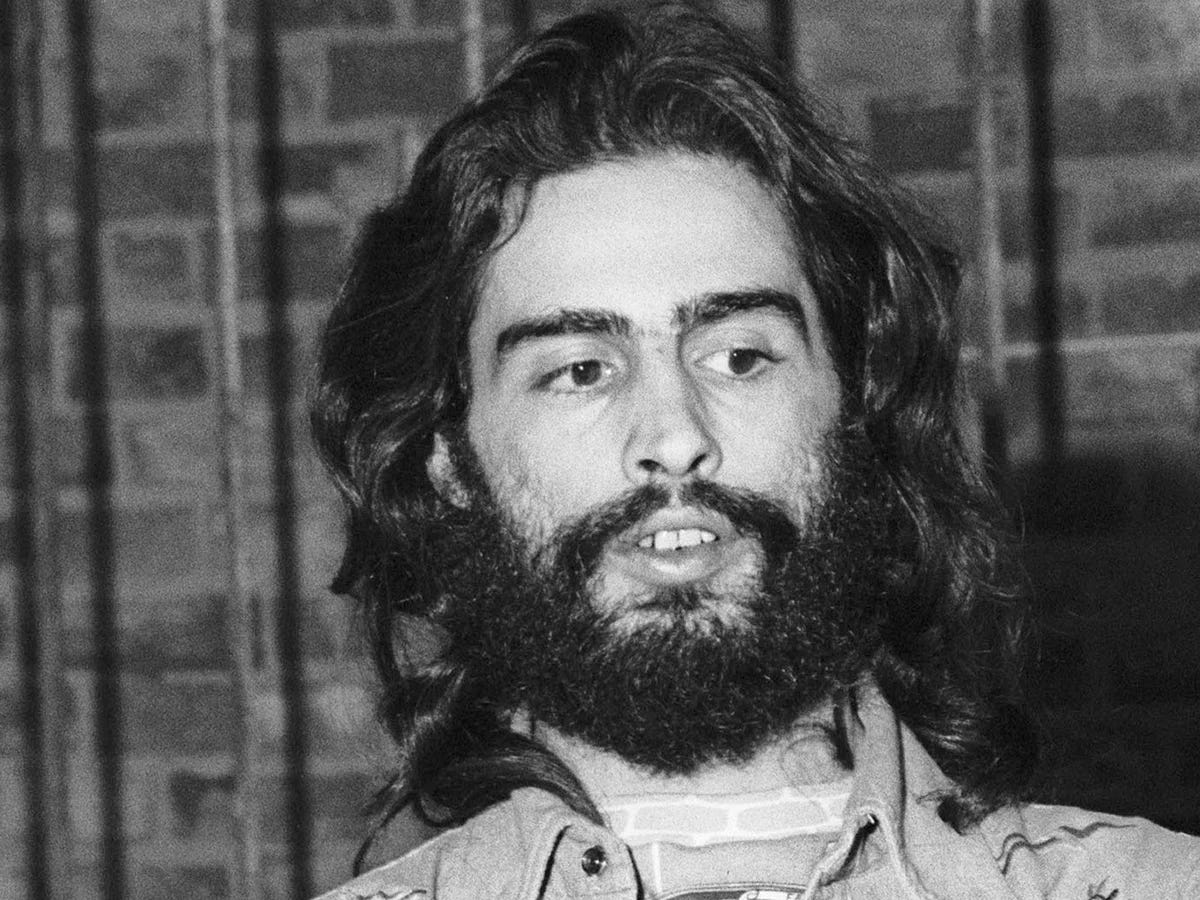
Every mythology has its origin story. For disco, one of the most important names is David Mancuso. At the beginning of 1970, Mancuso hosted the first of what became known as the Loft parties.
Private gatherings that would fundamentally reshape dance music. Ground zero. Influential sound engineer Alex Rosner remembered the Loft’s crowd as: “about sixty percent black and seventy percent gay. There was a mix of sexual orientation, there was a mix of races.”
The Loft itself was unusual. Even among underground spaces. Straight and gay people danced together. Black and white audiences shared floors. There was no alcohol sold. No commercial pressure. Mancuso’s vision bordered on spiritual.
As he put it:
Read that quote again.
Helping each other in the dance.
There’s something profoundly moving about it.
The dancefloor wasn’t about showing off. It was about collective release. Collective healing.
Technically, Mancuso was revolutionary too. With Alex Rosner’s help, he introduced mixers and continuous playback systems that allowed records to flow without interruption. Entire nights became emotional narratives.
The seeds of modern DJ culture had been planted.
🎛️ Francis Grasso Changes Everything
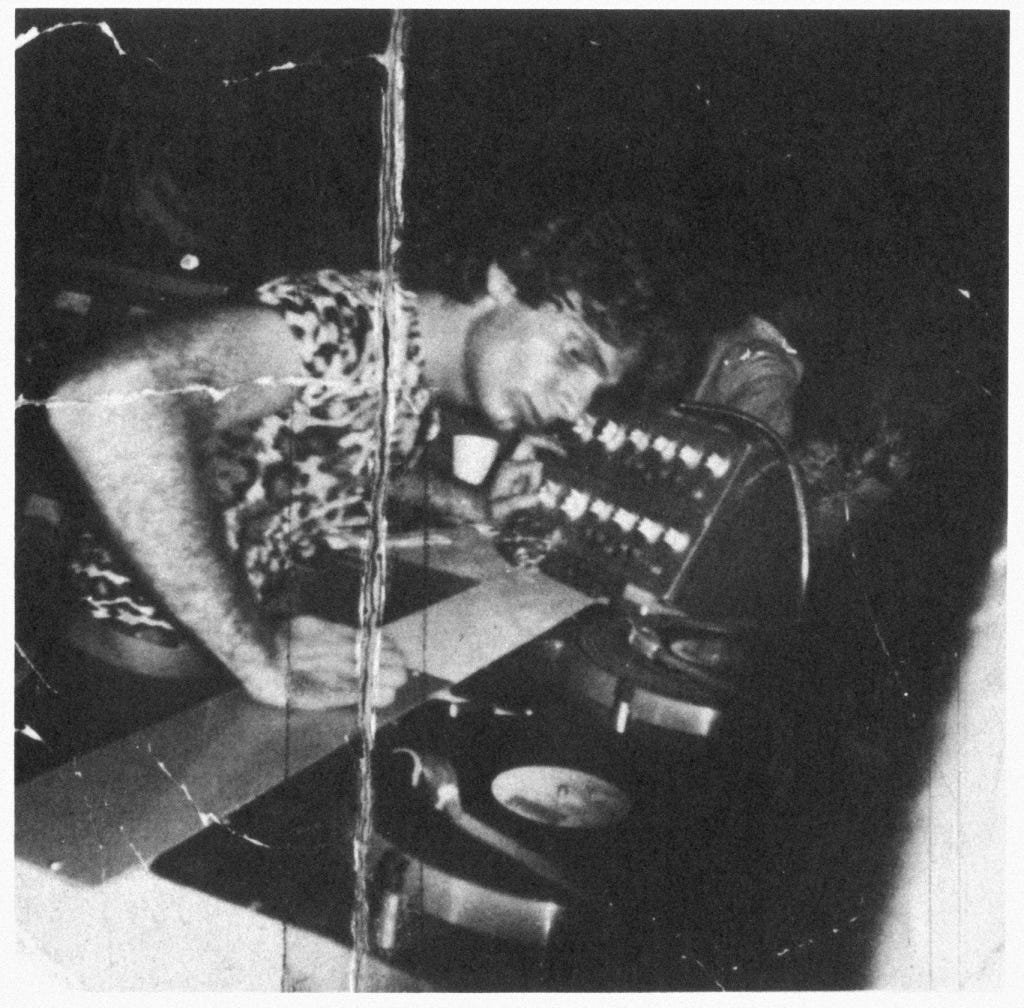
Then came Francis Grasso. One of those names every dance music fan should know. Even if many don’t.
At the Sanctuary, a club catering largely to gay audiences, Grasso transformed what DJs actually did.
Before Grasso, DJs mostly selected records.
After Grasso, they shaped experiences.
Using headphones and mixers, he developed beat-matching techniques that allowed records to blend seamlessly into one another. Today it seems obvious. Every DJ does it. At the time it was revolutionary. The modern DJ wasn’t born in Ibiza. Or at festivals. It emerged inside New York’s gay underground.
And suddenly, continuity mattered more than individual songs. The journey mattered. The flow mattered. The dancers mattered.
🎹 Passing the Torch

The beautiful thing about dance music history is how often knowledge gets passed hand to hand. Nicky Siano absorbed lessons at the Loft before opening the Gallery in 1973. Young DJs gathered around the booth. Watching. Learning. Among them were two names that would shape the future.
Frankie Knuckles.
Larry Levan.
Knuckles later recalled that they: “spent a lot of the time hanging out in the booth, watching Nicky’s every move. He pretty much taught us what we were doing.”
One generation inspiring the next. One dancefloor creating another. One community teaching itself how to survive.
Eventually Frankie would move to Chicago. Larry would transform the Paradise Garage into legend. House music waited just around the corner.
But we’re getting ahead of ourselves.
✨ The Philosophy of Disco
When people ask what the gay underground contributed to disco, the answer isn’t simply “clubs.” It was philosophy.
The DJ as storyteller.
The night as emotional arc.
The extended mix.
The belief that dancing together could be transformative.
The conviction that everyone deserved space on the floor.
The insistence that joy itself could be radical.
And perhaps that’s the biggest revelation of all.
Disco wasn’t built despite these communities. It was built because of them. The Latino dancers brought rhythm. The gay underground built the sanctuary. And next we’ll turn to the deepest roots of all. The Black musical traditions that gave disco its heartbeat, its sophistication and ultimately its soul. Because if disco taught the world how to dance together, Black America taught disco how to sing.

💔 The Cruel Irony: How Disco Forgot Its Parents
Or perhaps more accurately, how the world chose to forget
One of the reasons I wanted to devote this much space to the origins of disco is because I think many of us inherited a version of the story that isn’t entirely true.
I know I did.
Growing up in Belgium in the late seventies, disco reached me through television, radio and the charts. It arrived polished and fully formed. Donna Summer. The Bee Gees. Village People. Chic. Saturday Night Fever.
I loved it.
Still do.
But it wasn’t until years later, when I started digging deeper, buying biographies, reading old interviews and following the threads backwards, that I realised something uncomfortable.
The people who built disco were often absent from the story being told about it. And perhaps that’s the greatest irony of all. By the time disco conquered the world, it had already started forgetting its parents.
🎬 Saturday Night Fever and the Great Rewrite
Let’s be clear. Saturday Night Fever deserves its place in popular culture. It was brilliantly timed. The soundtrack was extraordinary. And for millions of people around the world, it became the gateway into disco.
It certainly helped turn a growing musical movement into a global phenomenon. But it also changed the narrative. Before Saturday Night Fever, disco was largely understood through the communities that had created it.
Black. Latino. Gay. Urban. Underground.
By the end of 1977, the story looked different.
The face of disco had become Tony Manero, a straight white working-class Italian American from Brooklyn. A perfectly valid story in itself. But no longer the whole story. The Harlem lofts disappeared from view. The Latino dancers vanished into the background. The Black DJs and musicians who had built the foundations became footnotes. The gay clubs that had nurtured the culture became invisible.
The movement had crossed over. And in crossing over, something had been lost. I don’t think this was necessarily the result of a grand conspiracy. It happens repeatedly in popular culture. The underground innovates. The mainstream packages. The origin story gets simplified. The rough edges disappear. The people who made it possible become harder to see.
Disco simply followed a familiar pattern.
🪩 When Success Becomes Dangerous
Ironically, disco’s enormous success may have planted the seeds of its downfall. By 1978, disco was everywhere. Radio stations changed formats. Major labels chased the trend. Rock artists released disco singles. Television commercials borrowed the aesthetic. Record executives who had once ignored the dancefloor now desperately wanted in.
The same thing happened during New Beat in Belgium.
At first, only a handful of people understood it. Then everyone wanted a piece of it. By the end, the formula had become so rigid that every new release sounded as though it had emerged from the same production line.
Success often creates imitation. Imitation eventually creates fatigue. And fatigue can turn ugly.
Disco wasn’t simply becoming commercial. It was becoming impossible to avoid. Which meant backlash was inevitable. But this wasn’t just a musical disagreement. Something much darker lurked beneath the surface.
💣 Disco Demolition Night
If you know anything about disco’s collapse, you probably know the image.
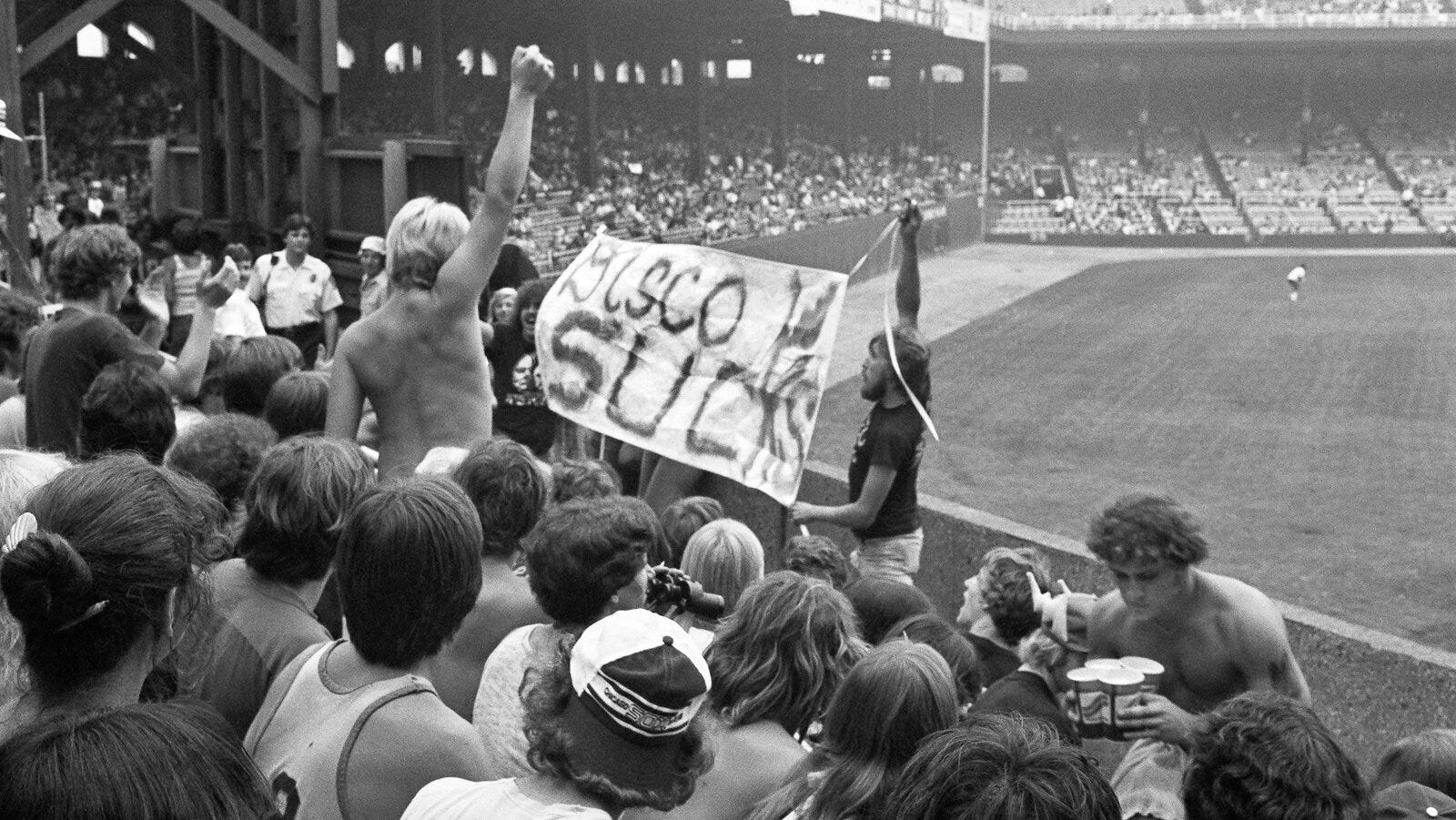
July 12, 1979. Chicago. Comiskey Park. Thousands of people gathering between baseball games to destroy disco records. Disco Demolition Night has since become one of popular music’s most famous moments.
A harmless publicity stunt, some still call it. Rock fans expressing frustration. A joke that got out of hand.
But many people who lived through that era saw something else. They recognised the targets. The communities involved. The coded language.
Disco had always represented more than music. It represented Black visibility. Queer visibility. Female sensuality. Interracial spaces. Freedom of expression. Pleasure without apology.
The chants of “Disco sucks” didn’t exist in a vacuum. For many, they echoed discomfort with precisely the people who had created the culture. That’s what makes Disco Demolition Night so unsettling. Because beneath the exploding vinyl and television spectacle sat an uncomfortable question:
Who exactly was being rejected?
The records?
Or the people dancing to them?
I’m not sure there’s a single answer. Perhaps there never will be. But it’s difficult to separate disco’s backlash from the race, sexuality and social tensions of late seventies America.
🕺 The Music Never Really Left
Here’s the beautiful part of the story.
Disco never actually died. The industry moved on. The headlines moved on. The fashions changed. But the communities who built it simply carried on dancing. The Black underground kept innovating. Many DJs and producers moved naturally into emerging forms of R&B and dance music. The same New York creativity helped nourish hip-hop. The same musicians continued appearing on records. The same dancers sought new spaces.
And within the gay community, another evolution was already underway. Disco’s pulse remained intact. The setting merely changed.
🏚️ The Warehouse
There’s a poetic symmetry to what happened next. As disco lost its cultural prestige and increasingly became associated with wedding receptions and nostalgia compilations, the people who had always understood its deeper purpose searched for something new.
Or perhaps not new.
Something familiar.
A continuation.
In Chicago, inside a members-only club called the Warehouse, a young Black gay DJ named Frankie Knuckles was doing exactly what he had learned years earlier in New York. Building emotional journeys. Extending records. Watching dancers carefully. Understanding what they needed before they understood it themselves.
The philosophy remained unchanged.
The dancefloor still offered sanctuary.
The DJ still guided the experience.
Community still mattered more than celebrity.
The only thing that changed was the soundtrack. The music eventually became known as house. Everyone who had lived through both eras understood the connection immediately.
House wasn’t replacing disco.
It was continuing the conversation.
🎤 A Collector’s Reflection
One of the unexpected joys of writing The Twelve Inch has been rediscovering records I thought I already knew. Because the more you dig, the more complicated they become. A song stops being just a song.
It becomes a doorway.
A snapshot of a city.
A reflection of political realities.
A record of communities trying to carve out space for themselves.
That’s certainly what happened for me with disco. As a teenager, I simply heard great records. As a collector, I started noticing labels. Studios. Musicians. Producers.
As a writer, I began seeing the people. The dancers. The DJs. The outsiders who built worlds for themselves because nobody else was offering them one.
And honestly, I think that’s what I love most about dance music history.
It reminds us that joy can be revolutionary.
That dancing together can be political.
That communities can create beauty in difficult circumstances.
That culture doesn’t only flow from the top down.
Sometimes it rises from basements. Lofts. Warehouses. And people who refuse to disappear.
✨ The Legacy That Refused to Die
So yes, disco conquered the mainstream. And yes, the mainstream eventually rewrote parts of the story. But the lineage never broke.
James Brown’s grooves flowed into Philadelphia soul. Philadelphia soul met Latino percussion. Latino rhythms collided with gay underground dancefloors. The Loft inspired the Gallery. The Gallery inspired Frankie Knuckles and Larry Levan. The Paradise Garage carried the torch. The Warehouse lit the next flame.
And from there came house. Then garage. Then techno. Then everything else many of us have spent decades collecting, dancing to and obsessing over.
That’s why I struggle whenever someone asks when disco died.
Because after all this digging, I’m no longer convinced it ever did.
Disco didn’t die.
It went home.
And if you’ve followed me this far down the rabbit hole, perhaps the next time you drop the needle on Rock The Boat, you’ll hear something else hidden beneath that irresistible groove. Not just a hit record. But the sound of three communities finding each other on a dancefloor and changing music history forever.
And really, what could be more beautiful than that?
🎤 Mix 2 — The Acapella
🎧 The Playlist of The Loft: What David Mancuso Was Really Playing
One of the easiest ways to destroy the myth that early disco was simply four-on-the-floor beats and glitter is to take a look inside David Mancuso’s record boxes.
Honestly, if someone handed you one of his playlists from the early seventies without any context and asked you to guess what kind of night this was, I’m not sure many of us would answer: “Ah yes, the birth of disco.”
Because Mancuso wasn’t playing disco.
At least, not yet.
He was playing records that made people move.
And that distinction is important.
The Loft wasn’t built around genres. It was built around energy, emotion and community. Mancuso wasn’t interested in fitting into categories. He was trying to create a journey. He was searching for records that connected people on the dancefloor, whether they came from soul, funk, Latin music, progressive rock or somewhere nobody had thought to look before.
As collectors, I think that’s one of the most liberating lessons The Loft can teach us. Sometimes we spend too much time worrying whether a record belongs in a particular box, while the dancers couldn’t have cared less. The only question that mattered was simple:
Does it work?
Some of the records are exactly what you’d expect.
The funk was there in full force. James Brown’s “Sex Machine” and “Give It Up Or Turnit Loose” were staples. Curtis Mayfield’s magnificent “Move On Up” brought urgency and uplift, while Willie Hutch’s “Brother’s Gonna Work It Out” delivered pure cinematic cool.
The soul selections were equally impeccable. Gladys Knight & The Pips appeared with “It’s Time To Go Now”. Aretha Franklin’s heartbreaking “Ain’t No Way” reminded dancers that intensity didn’t always require speed. Booker T. & The MG’s stretched out with “Melting Pot”, while Al Green’s “Love & Happiness” proved that sensuality and groove often go hand in hand.
Philadelphia was naturally represented too. Long before disco became a marketing category, the Sound of Philadelphia was teaching dancers how to surrender to extended grooves. Eddie Kendricks’ “Girl You Need A Change Of Mind”, The O’Jays’ “Love Train” and The Intruders’ “I’ll Always Love My Mama” all found their way onto Loft playlists.
But it’s the surprises that really make you stop and smile.
Take Babe Ruth, for example.
Not the baseball legend, but the English progressive rock band.
Their extraordinary “The Mexican” became a dancefloor favourite at The Loft. It’s one of those records that reminds you how porous these scenes really were. Years later, it would become a weapon in early hip-hop DJ battles. Then Jellybean Benitez would reinvent it yet again, transforming it into one of freestyle’s early classics.
One record.
Three completely different dancefloor lives.
How many other records have managed that trick?
Mancuso’s willingness to look beyond obvious dance records extended to other rock selections too. Van Morrison’s mystical “Astral Weeks” appeared. So did Traffic’s instrumental “Glad”.
And then there’s the one that genuinely made me raise an eyebrow.
The Beatles.
Yes, The Beatles.
Specifically, “Here Comes The Sun.”
Can you imagine standing on a packed dancefloor and hearing that opening guitar figure emerge from the speakers?
It tells you everything about Mancuso’s philosophy. If a record created a feeling, it belonged.
The biggest revelations, however, often came from the records most people had never heard of.
One of my favourite discoveries while researching this piece was Dorothy Morrison’s “Rain.”
I had never encountered it before.
It appears in this week’s companion mixes because once I heard it, I immediately understood why Mancuso reached for it. It’s soulful, spiritual and hypnotic all at once. Exactly the sort of hidden gem that makes crate digging endlessly rewarding.
Then there were the “exotic” records.
Although perhaps that word says more about the American audience than the music itself.
Barrabas, the Spanish band behind “Wild Safari” and “Woman,” became Loft staples thanks largely to Mancuso championing them. He was one of the first DJs to expose New York audiences to their fierce, percussion-heavy grooves.
I have a feeling I’ll eventually end up dedicating an entire episode of The Twelve Inch to Spain’s contribution to dance music. Their story deserves it.
The rhythmic and African influences running through Mancuso’s playlists are perhaps the most fascinating of all.
Manu Dibango’s “Soul Makossa,” which we’ve already touched upon, sits there quite naturally alongside Cymande’s “Bra.”
Then there’s Exuma’s haunting “Exuma, The Obeah Man,” Babatunde Olatunji’s “Drums Of Passion,” and Tribe’s “Koke.”
Listen to those records today and you’ll hear repetition before hooks.
Trance before technology.
Groove before genre.
You begin to understand how dancers learned to lose themselves in rhythm long before anyone called it disco.
And then, just when I thought the surprises had run out, I stumbled upon two records with an unexpected Belgian connection.
The first is easy enough to understand.
Chakachas’ “Jungle Fever” fits perfectly into the sensual, percussion-driven atmosphere of The Loft. The Belgian group had deep ties to Brussels’ Congolese diaspora, and their records had already proven capable of setting dancefloors alight.
The second?
Well… someone will have to help me out here.
Because somehow Mancuso was also playing Les Troubadours du Roi Baudouin’s “Missa Luba.”
Yes, really.
I have absolutely no idea what dance moves accompanied that one.
Perhaps there was an interpretative spiritual dance I’ve never been taught.
Or perhaps it only made complete sense after a sufficiently generous helping of David Mancuso’s legendary acid fruit punch. 😁
Whatever the explanation, there’s something beautiful about finding a record like that sitting beside James Brown, Manu Dibango and Eddie Kendricks.
It reminds us that The Loft wasn’t a disco club.
Not yet.
It was a musical laboratory.
A place where curiosity mattered more than cool.
Where records from Cameroon could sit comfortably beside The Beatles. Where progressive rock could coexist with Philadelphia soul. Where Belgium unexpectedly showed up in the middle of a New York dancefloor.
Most importantly, it reminds us that the people who built disco weren’t trying to invent a genre.
They were simply trying to create unforgettable nights.
The genre came afterwards.
🪩 So What Was the First Disco Hit?
The records that were teaching America how to dance before disco had a name
One of the things I’ve learned while writing The Twelve Inch is that the beginning of anything important is almost always messy.
Disco was no exception.
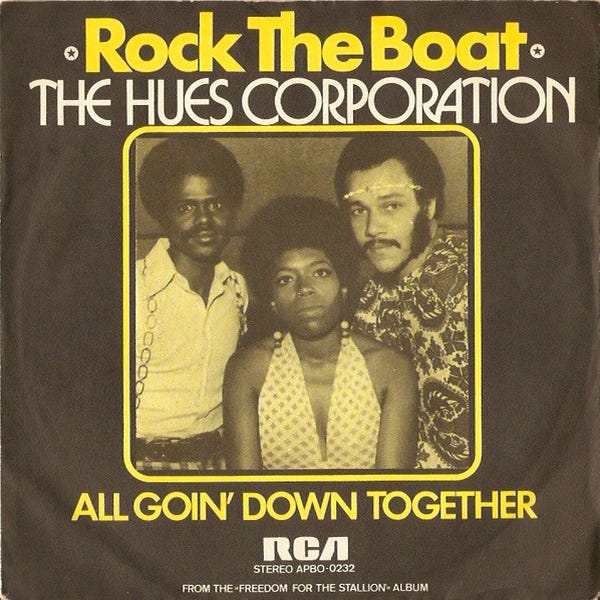
Ask ten music fans what the first disco hit was and you’ll probably get ten different answers. Plenty of people point to The Hues Corporation’s Rock The Boat, and after everything we’ve discussed on the A-Side, it’s easy to understand why. It was a dancefloor phenomenon that crossed over to the mainstream and helped announce that something new was happening.
But there’s a case to be made for several other records too.
And honestly, that’s part of the fun.
Because this isn’t really a question with a right or wrong answer. It’s a question of perspective. What do we value most?
The first song with a disco groove?
The first dancefloor smash?
The first club record to top the charts?
The first record that made DJs rethink how they played music?
For this little crate-digging exercise, I’ve restricted myself to songs that reached Number One on the Billboard Hot 100 before Rock The Boat, and that also found their way onto the playlists of early DJs and underground clubs.
Consider it a shortlist of suspects.
You get to decide who deserves the crown.
📞 Summer 1971: The Honey Cone, “Want Ads”
Let’s begin in the summer of 1971.
At first glance, The Honey Cone’s “Want Ads” might seem an unlikely candidate. After all, it’s much closer to classic soul than what most people would later call disco.
But that’s precisely the point.
When Holland, Dozier & Holland left Motown to launch their own labels, The Honey Cone became one of their earliest signings. The result was pure Motown-esque brilliance. The groove is infectious. The vocals sparkle. And the rhythm already hints at something more dance-oriented.
No, it’s not disco as we understand it today.
But it’s 1971.
The story has to start somewhere. 😁
🎸 Late 1971: Isaac Hayes and the Cool of “Shaft”
By the end of 1971, we encounter our first truly heavyweight contender. Isaac Hayes’ “Theme From Shaft.”
Now there’s a record that practically demands its own episode. Stylistically, its influence on R&B-based disco is enormous. Listen to that guitar. That swagger. That sense of cinematic cool.
Hayes understood tension and release in a way few others did. The groove unfolds patiently, inviting movement without forcing it. Years later, Isaac Hayes would revisit the song in a much more overtly disco style on 1978’s Shaft II.
But for me, the original still reigns supreme.
After two weeks at Number One, Hayes handed the baton to another danceable classic.
Sly & The Family Stone’s “Family Affair.”
Perhaps not the strongest contender for the title of “first disco hit,” but another important reminder that groove was steadily moving towards centre stage.
🎤 December 1972: The Temptations Stretch Out
If 1972 feels relatively quiet in the disco race, things changed dramatically at the end of the year.
Enter The Temptations’ “Papa Was A Rollin’ Stone.”
Produced by Norman Whitfield, who would later become one of the architects of longer, danceable soul records, this wasn’t a dance record in the traditional sense.
But what a groove. The tension. The hypnotic bassline. The slow build. And perhaps most importantly, the sheer length.
The album version stretched to almost twelve minutes.
Twelve minutes!
For aspiring DJs beginning to experiment with blending records together, these extended arrangements were gold dust. You could almost hear the future hiding in the spaces between the beats.
🎹 1973: Stevie Wonder Makes Sitting Still Impossible
Then came 1973.
And Stevie Wonder kicked the door down.
“Superstition” isn’t disco.
Let’s get that out of the way immediately.
But if you’ve ever seen a dancefloor react to it, you’ll understand why it’s here. That clavinet riff. That relentless groove. The way it grabs hold of your body before your brain has a chance to object.
Even decades later, when I was DJing myself, Superstition remained one of those secret weapons. You could feel the shift in the room the moment it dropped.
People moved.
Sometimes definitions matter less than results.
🚂 The Philly Express Arrives
March 1973 gave us another serious contender.
The O’Jays’ “Love Train.”
Now we’re entering dangerous territory.
Because if you’re looking for records that genuinely sound like disco’s direct ancestors, this one is difficult to ignore. Everything that made Philadelphia soul so crucial is here. The lush orchestration. The uplifting message. The elegant arrangement.
And above all, that groove.
Drummer Earl Young deserves special mention. His playing would become one of disco’s defining signatures. Once again, this is one of those magical records that transcends generations.
Even today, any DJ serious about filling a dancefloor knows that Love Train remains irresistible.
It really is catnip.
🚛 Keep On Truckin’
In November 1973, another former Temptation stepped forward.
Eddie Kendricks’ “Keep On Truckin’.”
I absolutely adore this record. It’s one of my personal favourites from this entire list. And when you hear it, you’ll immediately understand why it became so popular in clubs.
The groove is simply magnificent.
Like Papa Was A Rollin’ Stone, it benefited from an extended album version that gave early DJs room to experiment. Remember, Francis Grasso had already begun developing beat-matching techniques.
Imagine being an ambitious young DJ, headphones pressed tightly against your ears, trying to blend Keep On Truckin’into whatever came next.
The future of DJ culture was quietly taking shape.
🎻 The Final Two Contenders
And then we arrive at the grand finale. 😁
Two records with credentials every bit as strong as Rock The Boat. Two records that many insiders still argue deserve the title of “the first disco hit.”
The first is The Love Unlimited Orchestra’s “Love’s Theme.”
Barry White’s fingerprints are all over disco history, but here’s the twist. Love’s Theme became the first Barry White-produced record to reach Number One.
Not one of his own vocal hits.
An instrumental.
And it nearly never happened.
Initially, 20th Century Records had all but given up on it. Then the gay dancefloor discovered it. The clubs embraced it. DJs kept playing it. And once the pink dollar started rolling in, the label suddenly became very interested again.
Sound familiar?
It’s a pattern we’ve seen before. The dancefloor breaks the record. The industry catches up later.
🚆 TSOP: The Sound of Philadelphia
And finally, my personal dark horse.
MFSB and The Three Degrees’ “TSOP (The Sound of Philadelphia).”
The theme tune to Soul Train. The anthem of an entire movement.Again, we’ll give this masterpiece the full Twelve Inch treatment one day.
It deserves nothing less.
For now, let’s simply acknowledge its credentials. Philly musicians. Earl Young. Extended groove. Sophisticated orchestration. Massive popularity.
A dancefloor favourite.
And a dream for DJs experimenting with seamless transitions.
If disco had a mission statement in 1974, TSOP might well have been it.
🪩 So… What’s Your Verdict?
And now I’m handing the decision over to you.
Was it Want Ads?
Theme From Shaft?
Love Train?
Keep On Truckin’?
Love’s Theme?
TSOP?
Or do you still believe that Rock The Boat deserves the title?
That’s the beauty of these early years.
History hadn’t hardened into certainty yet. The rules were still being written. The dancers were deciding in real time. And perhaps that’s why this period fascinates me so much. Because before disco became a genre, it was simply a feeling.
A groove.
A room full of people discovering what moved them.
So tell me.
When do you think disco really began?
The Twelve Inch is a growing community of people who love disco, eighties, and early-nineties dance music.
If you know someone who would enjoy these stories, feel free to share this post with them or pass it along on Substack Notes. Every share helps the music, and the community, travel a little further. 💿✨
🎧 Mix 3 — The Dub: This Week’s Listening Crate
1️⃣ Companion Mix
Rock The Boat by the Hues Corporation was one of the very first disco hits. This was a time well before twelve inches and extended versions. DJs had to be creative, constantly searching for new dance records and weaving them together into a set. This week’s mixtape is my interpretation of that period. Just like the DJs back then, I went digging for a wide selection of dancefloor-friendly records. Along the way you’ll hear Soul, Funk, Jazz-Funk and the unmistakable sound of Philly.
It all begins with the two records that topped the Hot 100 during the summer of 1974. The Hues Corporation came first, immediately followed by George McCrae’s Rock Your Baby. The Sweet Inspirations, Barry White and The Love Unlimited Orchestra complete the opening stretch of the mix.
There are plenty of deeper cuts too. You’ll hear Dorothy Morrison’s Rain, a particular favourite of David Mancuso at The Loft, the wonderfully youthful Sister Sledge on Mama Never Told Me, and Zulema’s glorious Giving Up.
The middle section drifts into some choice Jazz-Funk from Donald Byrd and Kool & The Gang, before Freda Payne’s classic Band of Gold sets us on course for a great finale featuring The O’Jays, Eddie Kendricks, The Whispers, yes, they were already making dance records back then, and Double Exposure.
Enjoy.
Listen to the Soundtrack of this week’s post on MIXCLOUD
And On Youtube
Next Friday, I’m taking you on another trip through my record crates.
No obvious hits, no overplayed classics, just five glorious eighties (synth) funk gems that deserve a lot more love than they usually get.
And if you’re planning a romantic evening… well, let’s just say these records might help turn up the temperature a notch or two. 😁🔥
Subscribers get the full crate every weekend.
For me, Rain has long been a vital precursor for disco. But i would also point you to a song that was a NYC sensation made by Nova Scotians: I Like What I Like by the Everyday People. That opening is one of those early dancefloor delights that never got to go mainstream. But all of your work here is invaluable both for the social and cultural movements that birthed disco and for the early sounds that predate but inform it. Even the block parties that helped start hip hop are in disco's dna because when you cut a record from side to side, you approach an extended mix.
I’ve been meaning to comment on this article for a while, Peter. Each time I’ve read it over the past several weeks, I’m awed and inspired. And every time I’ve read it, I’ve discovered something new and wonderful. It’s deeply moving, even magical. You have captured the essence—and importance—of this art form known as disco, which some reflexively dismiss either because they do not understand it or because they understand it too well and are threatened by its gentle subversion of oppressive power structures. But the word you use most to describe disco—joy—is what shines through your brilliant writing. You clearly love this music, including its more recent permutations of house, garage, and techno, and your love is infectious and makes me appreciate and enjoy this music—and its history—even more. Thank you for that. 🙏🙏🙏🎶🎶🎶❤️❤️❤️😎