

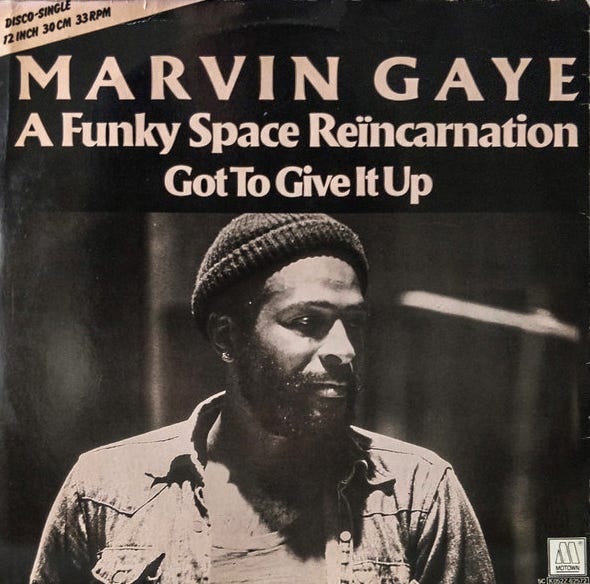
Sometimes you witness history without realising it!
One evening in the early eighties, me and a friend were sitting in Brussels’ biggest concert hall, watching Diana Ross perform. It wasn’t exactly a disco concert. More Las Vegas than Studio 54. The kind of show where you could happily bring your mum. Literally in our case, because both our mothers had joined us. But that’s a story for another time 😁.
Fresh from the massive success of her Diana album, the one produced by Nile Rodgers & Bernard Edwards, Ross opened with I’m Coming Out, before taking us on a journey through her solo hits and the Supreme years.
Then something completely unexpected happened.
A man walked out of the front rows, climbed onto the stage and headed straight for Diana. For a brief moment she looked almost as surprised as the audience.
That man was Marvin Gaye
The two embraced and sang Reach Out together, before Marvin quietly disappeared backstage again.
At the time it felt like a lovely surprise appearance. Only years later did I realise I had witnessed something far more remarkable. Marvin wasn’t touring Europe at that moment. He wasn’t promoting a new record..
He was living in Belgium.
And, without any of us knowing it, he was quietly rebuilding both his life and his career. In hindsight, it was one of the last genuinely hopeful chapters of a story that would end in tragedy barely two years later.
👋 Welcome, I’m Pe Dupre, thanks for stopping by.
This is The Twelve Inch, a community about the history of dance music from 1975 to 1995, told one twelve-inch record at a time.
If this landed in your inbox because a friend forwarded it, I’d love for you to subscribe so you don’t miss the weekly episodes. Each one dives into a track, its story, and the culture around it.
From Belgium Back To The Top
By 1981 Marvin Gaye desperately needed somewhere to disappear. Years of personal turmoil had taken their toll. A painful divorce, mounting debts, battles with the IRS and an escalating cocaine problem, had pushed one of Soul Music’s greatest artists to breaking point. Belgium offered something Los Angeles never could.
Peace.

Ostend in the eighties
Invited by Ostend promoter Freddy Cousaert, Marvin found anonymity on the Belgian coast. He started running on the beach, he boxed to stay fit, returned to church and gradually rediscovered the desire to make music. That fresh start would eventually produce Midnight Love and his last worldwide hit Sexual Healing.
Ironically, that was also my own introduction to Marvin Gaye
By then I had just started dj-ing on our local radio station. Whether I liked a record wasn’t the point. If you wanted listeners, you played the hits and Sexual Healing was one of the big hits of 1982.
It was only much later that I begun exploring the rest of his catalogue. And what an exploration it turned out to be. What’s Going On, Let’s Get It On, I Want You.. Masterpieces that revealed an artist constantly reinventing himself while remaining unmistakably Marvin Gaye
As I dug deeper, into also discovered something fascinating. Marvin Gaye influenced dance music and vice versa. But it was clear that Marvin Gaye never really wanted to become a “disco artist”. Which makes today’s record one of the great contradictions in dance music history. Because Marvin Gaye’s biggest contribution to late seventies disco, almost happened against his own wishes
Motown Wanted Disco. Marvin Wanted Marvin.
I’ve told the story many times before. By the end of 1976, disco had become impossible to ignore. It had become mainstream. Dancefloors were packed, radio stations had embraced the sound and every (major) record company wanted a piece of the action.
Motown certainly did.
After Diana Ross scored a huge international success with Love Hangover, Motown encouraged all of its biggest stars to embrace disco.
Marvin wasn’t convinced. Sure he loved groove, he loved rhythm. He loved records that made people move. What he disliked, though, was music that sacrificed soul for fashion.
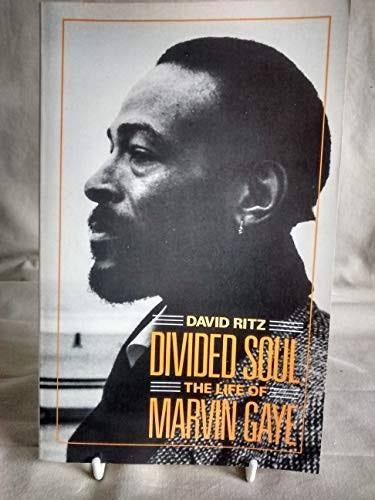
David Ritz quotes him remembering Motown’s relentless pressure: “Motown was screaming disco at me. Disco disco disco disco! I couldn’t be bothered”
He would later insist that Got To Give It Up wasn’t really disco at all, preferring to call it “funk with a party groove”. Whether we agree with it or not, is almost beside the point. The irony is that, while trying not to make a disco record, Marvin Gaye ended up making one of the most influential dance records of the entire decade.
The Fourth Side That Changed Dance Music
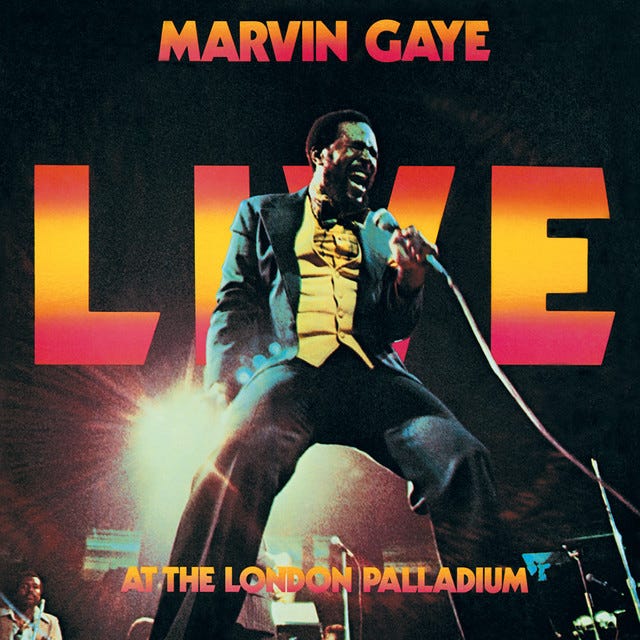
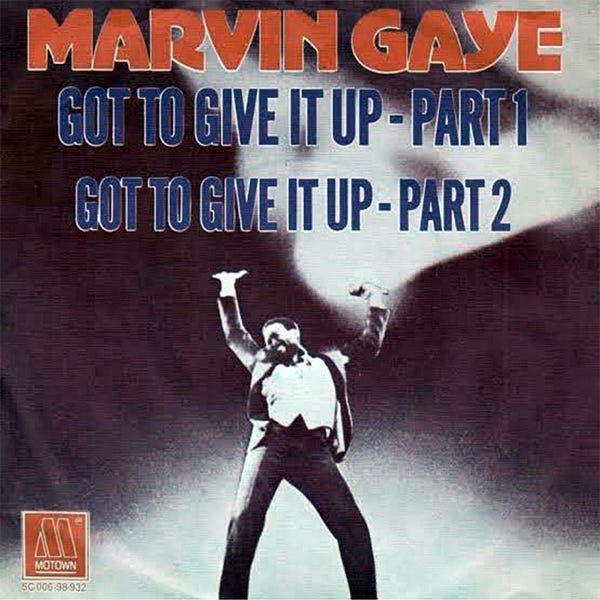
Ironically, Got To Give It Up almost never existed. Motown had recorded Marvin’s concerts at the London Palladium in October 1976 and planned to release them as a live-album. They wanted a single album but Marvin insisted that it should be a double album.
There was only one problem. The concerts filled just three sides. A fourth side still needed music. Got To Give It Up was born because of that empty space on a piece of vinyl.
Producer Art Stewart remembered a groove Marvin and drummer Bugsy Wilcox had been playing around with, months earlier. Stewart immediately recognised its potential and, determined not to let it disappear, even visited Marvin on Christmas Day to convince him to finish it.
And thankfully, he did
Recorded in December 1976, Got To Give It Up sounded unlike almost anything else on the dancefloor. It had a hypnotic groove and irresistible basslines. But what really set it apart was the atmosphere.
Rather than creating a polished studio production, Marvin and Art Stewart left the microphones open while friends, musicians and family wandered around the room, talking, laughing, clapping and enjoying themselves.
You don’t just hear a song, you hear a party
Nearly fifty years later, it still feels like you’ve just walked through the front door. And that’s precisely where the story really begins.
A Party You Can Hear
One of the reasons Got To Give It Up still sounds so fresh today, is that it never tries too hard. It feels wonderfully accidental. Almost documentary-like.
The voices you hear throughout the record aren’t carefully scripted backing vocals. They’re friends, family and musicians enjoying themselves in the studio. Conversations, laughter and spontaneous reactions became part of the recording.
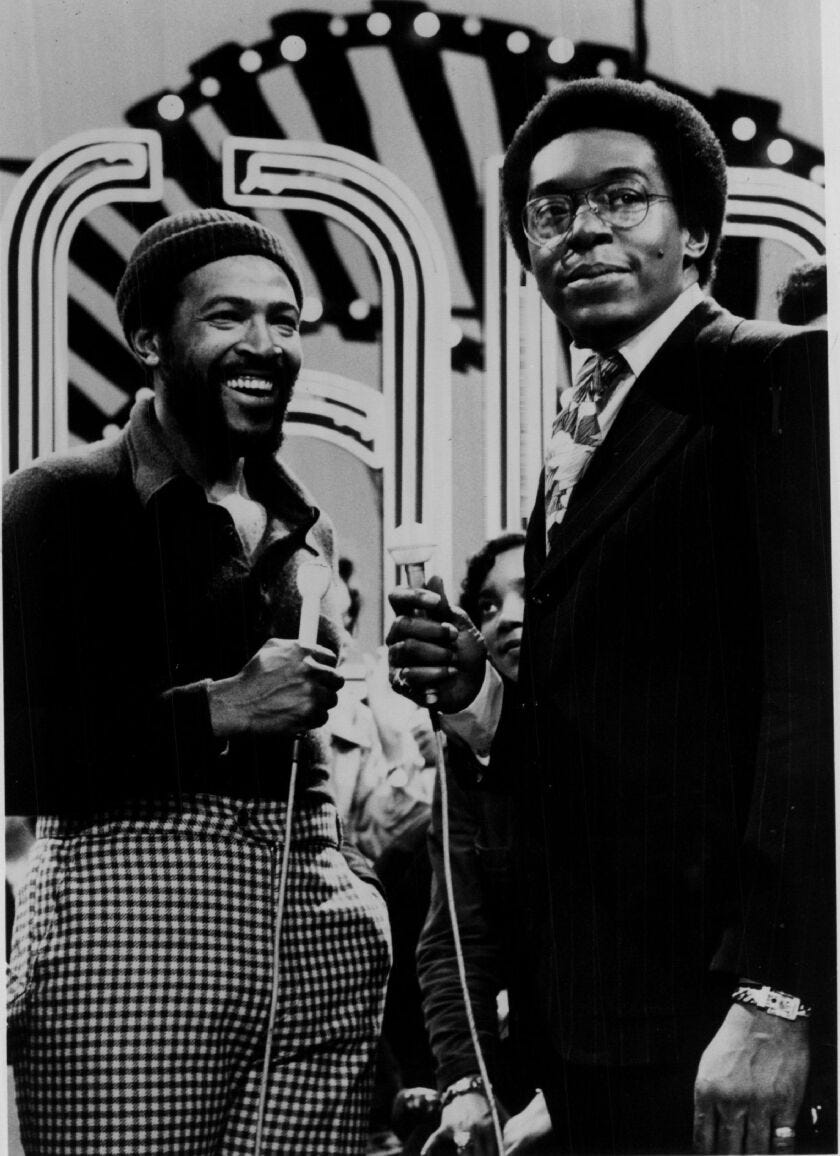
Even Soul Train presenter Don Cornelius makes a cameo, with Marvin greeting him as he walks into the room.
The result is extraordinary!
Rather than transporting the dancefloor into the studio, Marvin brought the studio onto the dancefloor. A might sound like a subtle distinction, but it is an important one. Most disco records invite you to dance but Got To Give It Up makes you feel as though the party has already started and all you have to do is join in.
That loose, organic atmosphere would become hugely influential. Long before House music producers started adding crowd noise, live percussion and snippets of conversation to create atmosphere, Marvin had already shown how powerful those little imperfections could be.
Reaching perfection is sometimes just sounding imperfect!
The Shy Man Who Wrote The Ultimate Dancefloor Invitation
There’s another irony hidden inside the song.
Listen to the opening lyrics.
Marvin sings about someone standing against the wall at a party, too nervous to dance while everybody is having a good time. Only gradually does he gather the confidence to step onto the floor.
For years I simply assumed it was just a lyric
But then I came across an anecdote in David Ritz’s biography that suddenly made everything click. A couple of years after Got To Give It Up became a worldwide hit, Marvin was visiting a nightclub in San Francisco. Michael Jackson’s Off The Wall was playing and, despite clearly enjoying the music, Marvin stayed exactly where he felt most comfortable. At the bar
When the DJ eventually put on Got To Give It Up, his own friends dragged him onto the dancefloor. Ritz recalled watching one the greatest performers of his generation looking strangely uncomfortable, almost shy, dancing to his own biggest dance hit.
It’s one of those wonderfully human moments. The man who persuaded millions of people to dance, never completely felt at ease doing it himself. Suddenly the opening lines of Got To Give It Up feel less like storytelling but more like a confession.
When The Dancefloor Decides
Whether Marvin accepted the disco label eventually stopped mattering. The audience had already made up its mind.
Got To Give It Up became his third and final American number one. It dominated the dancefloors around the world and remains one of the defining records of the disco era.
Perhaps Marvin himself summed up the contradiction best, when he looked back on the whole experience: “I stuck my nose in the air,” recalled Gaye, “and said, ‘Fuck it,’ but don’t you know that in the end, I did what [Motown] wanted…my way.”
Those last two words matter.
My Way.
Because, despite Motown’s pressure, despite the commercial ambitions and despite Marvin’s own reluctance, Got To Give It Up still sounds unmistakable like Marvin Gaye. Nobody else could have made this record!
The Groove That Refused To Grow Old
Its influence didn’t stop in 1977. Even today’s producers continue to chase that same effortless combination of groove, warmth and spontaneity.
Its most famous afterlife arrived almost four decades later when Robin Thicke and Pharell Williams released Blurred Lines. The ensuing lawsuit became one of the most talked about copyright battles in modern music, with Marvin Gaye’s estate successfully arguing that Blurred Lines had borrowed too heavily from the feel of Got To Give It Up
The verdict divided musicians and lawyers alike. But one thing became undeniable. Nearly forty years after its initial release, people were still trying to recreate the atmosphere Marvin had captured almost by accident.
That’s an extraordinary legacy. And perhaps the greatest compliment any artist can receive.
More Than A Disco Record
So..
Was Got To Give It Up a disco record? Yes or No?
Marvin would probably have answered no. Most DJs would answer yes. The truth, as so often, lies somewhere in between.
Got To Give It Up has disco’s pulse? It has funk’s looseness and it has Soul’s emotional depth. And perhaps that’s exactly why it has aged so much better than many records that fitted the disco template more neatly.
Marvin didn’t follow a trend, he absorbed it. He reshaped it and made it unmistakable his own
You know that I see the Twelve Inch blog as a story of dance music that kept reinventing itself, often by accident. Few records illustrate that better that Got To Give It Up. A song born out of necessity to fill a vacant 4th side of a double album. An artist who didn’t particularly wanted to make a disco record.
Yet it, somehow, became one of the greatest dance records ever made.
The Twelve Inch is a growing community of people who love disco, eighties, and early-nineties dance music.
If you know someone who would enjoy these stories, feel free to share this post with them or pass it along on Substack Notes. Every share helps the music, and the community, travel a little further. 💿✨
Coming Up On The B-Side...
Marvin’s relationship with disco didn’t end here.
Neither did his remarkable Belgian story.
On this week’s B-Side we’ll travel to Ostend, where Freddy Cousaert helped one of soul music’s greatest talents rebuild his life. We’ll discover how Sexual Healing was born on Belgian soil and explore why Motown, despite being one of the world’s greatest soul labels, never became one of disco’s dominant forces.
We’ll also take a closer look at the remarkable afterlife of Got To Give It Up, from the many artists who covered or reinterpreted the song to the landmark Blurred Lines court case that reignited the debate about where inspiration ends and copyright begins.
And finally, we’ll ask one of music history’s most intriguing questions.
What if Marvin Gaye had lived?
As always, there’s also a new companion mix waiting in the Dub section, placing Got To Give It Up alongside the records that shaped it and the artists it would go on to inspire.
The B-side is where we go deeper.
It iIt’s paywalled, but for the price of 8 premium coffees, you get:
a full year of B-sides
access to 150+ deep dives
future stories across genres
And yes, payment in beans is still impractical 😁
Join the club. I’d genuinely love to have you on board.
💬 Over To You
Did you always think of Got To Give It Up as a disco record?
Where does it rank among Marvin Gaye’s greatest recordings?
And can you think of another artist who accidentally changed the course of dance music while trying to do something completely different?
I’d love to hear your thoughts, memories and discoveries in the comments.
So You Wanna Hear More ?
I thought you would !
It’s fun to write about music but let’s be honest. Music is made to listen to.
Every week, together with this newsletter, I release a 1 hour beatmix on Mixcloud and Youtube. I start with the discussed twelve inch and follow up with 10/15 songs from the same timeframe/genre. The ideal soundtrack for…. Well whatever you like to do when you listen to dance music.
Listen to the Soundtrack of this week’s post on MIXCLOUD
Or on Youtube :
Fantastic song and a wonderful article Pé, as always. I’m no musicologist (or DJ) but I do kinda feel like this one sits more on the funk side than the disco side.
Like others commented, I had no idea that Marvin Gaye had spent time in Belgium. I loved your account of the Diana Ross show. How serendipitous for Marvin Gaye to be there and how wonderful it must have been to see him perform, if even only for one song.
What a tragedy it was to lose Marvin Gaye so young.
It struck me that back in the 1970s, when we used to listen to vinyl albums (even doubles) all the way through from beginning to end, all that vocal chatter on Got To Give It Up would compliment the ambience of the live recording and help create cohesion between the live and studio sides.
From a British perspective, I was surprised to learn that back in 1976, when Live At The London Palladium was recorded, it had been twelve years since Gaye had toured the UK. Indeed, the Palladium was apparently chosen for the live recording because of the loyal fanbase Gaye had
based on those records from the early 1960s. In contrast, it seems his critically lauded seventies output had limited appeal. The Palladium album failed to chart and none of Gaye's album releases in the 1970s made the UK Top 20 (What's Going On didn't even reach the Top 50)!
The following year, the marketing ploy of adding a new studio recording to help sell an expensive double album of already familiar material was used againto help shift the Thank God It's Friday soundtrack package which included Donna Summer's 15 minute version of J'Taime as a bonus 12 inch.